
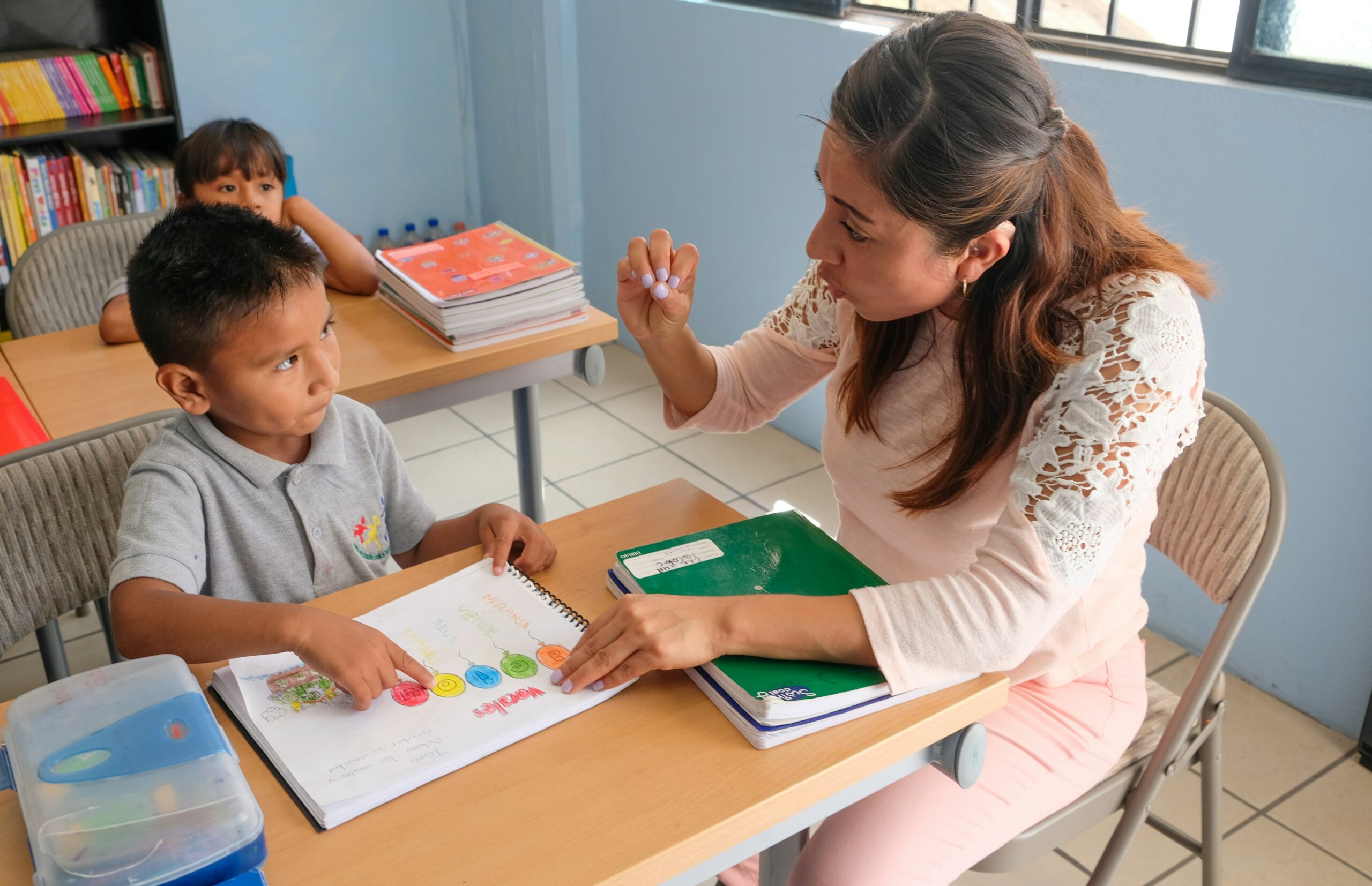
Introduction to current education system and its limitations
Education is the cornerstone of society, shaping young minds and preparing them for the future. Yet, as we navigate through this rapidly changing world, many feel that traditional education methods are no longer enough. The one-size-fits-all approach often leaves students disengaged and unprepared for real-world challenges.
With advancements in technology and a deeper understanding of how people learn best, new innovative approaches to education have emerged. These fresh ideas aim to ignite curiosity, foster creativity, and empower learners in ways that resonate with their individual needs.
Let’s explore some game-changing strategies transforming our classrooms today!
Overview of innovative approaches to education
The landscape of education is evolving rapidly. Traditional methods no longer meet the diverse needs of today’s learners. As society advances, innovative approaches are emerging to bridge this gap.
One exciting trend is experiential learning, where students engage with real-world problems. This method promotes deeper understanding and retention of knowledge.
Another approach gaining traction is competency-based education. Here, students advance upon mastering concepts rather than adhering strictly to age or grade levels.
Technology integration reshapes classrooms daily. Online platforms offer flexibility and access to resources beyond textbooks, enriching the educational experience.
Collaboration among educators fosters a community that embraces creativity in teaching practices. These innovations create dynamic environments that nurture every learner’s potential.
Project-based learning: Impact on student engagement and critical thinking skills
Project-based learning transforms the classroom into a vibrant hub of creativity. Students dive into real-world challenges, sparking their curiosity and motivation.
This hands-on approach makes learning relevant. Instead of memorizing facts, students explore problems that matter to them. They collaborate with peers, fostering teamwork and communication skills along the way.
Critical thinking flourishes in this environment. Learners analyze situations from different angles, developing solutions through research and experimentation. This process encourages them to question assumptions rather than accept information at face value.
Engagement soars as students take ownership of their education. They feel invested in their projects, leading to deeper understanding and retention of knowledge. With each project completed, they build confidence and an appetite for further exploration.
In essence, project-based learning nurtures essential skills that extend beyond academics—preparing students for future success in an ever-evolving world.
Personalized learning: Meeting individual student needs and promoting self-directed learning
Personalized learning transforms the educational landscape by tailoring experiences to fit each student’s unique needs. It recognizes that a one-size-fits-all approach often falls short.
With personalized learning, students have control over their educational journey. They can choose topics that resonate with them and set their own pace. This autonomy boosts motivation and fosters a love for learning.
Teachers play a crucial role in this model, guiding students as they explore subjects deeply. By using data-driven insights, educators can identify strengths and areas for improvement, offering targeted support where necessary.
This method also encourages self-directed learning skills. Students learn to take initiative, becoming active participants in their education rather than passive recipients of information.
Incorporating technology enhances this experience further, providing resources tailored to individual preferences and abilities. As students engage with materials suited to them, they cultivate critical thinking and problem-solving skills essential for future success.
Flipped classrooms: Benefits of utilizing technology for interactive, hands-on learning experiences
Flipped classrooms transform traditional learning dynamics. In this model, students engage with new content at home through videos or online resources. Class time then shifts to interactive discussions and hands-on projects.
This approach increases engagement. Students come prepared with questions and insights. Teachers can focus on facilitating deeper understanding rather than delivering lectures.
Technology plays a crucial role here. It provides diverse resources that cater to various learning styles. Visual learners benefit from video presentations while auditory learners can follow podcasts or discussions.
Moreover, flipped classrooms foster collaboration among peers. Group work during class promotes teamwork and communication skills essential for real-world success.
By embracing this model, educators not only enhance student involvement but also cultivate critical thinking abilities essential for navigating today’s challenges in learning environments.
The role of social-emotional learning in academic success
Social-emotional learning (SEL) plays a crucial role in shaping well-rounded students. It focuses on developing skills like self-awareness, empathy, and relationship-building. These abilities not only influence personal growth but also enhance academic performance.
Students equipped with strong emotional intelligence tend to navigate challenges more effectively. They can manage stress and collaborate better with peers. This creates a positive classroom environment where everyone feels valued.
Integrating SEL into the curriculum fosters resilience and motivation. When students understand their emotions, they’re more likely to engage deeply with their studies. They take ownership of their learning journey, which translates into improved grades and higher retention rates.
Educators are beginning to recognize that teaching facts alone isn’t enough for success. The ability to connect socially and emotionally empowers learners to thrive both inside and outside the classroom setting. As schools embrace this approach, we see transformations in student attitudes toward education itself.
Incorporating mindfulness practices in the classroom for stress reduction and improved focus
Incorporating mindfulness practices in the classroom can be a game changer for both students and teachers. When stress levels rise, focus often falters. Mindfulness techniques help cultivate an environment where calmness prevails. Simple breathing exercises or short meditation sessions provide students with tools to manage their emotions.
By integrating these practices into daily routines, educators foster resilience. Students learn to navigate challenges more effectively, creating a positive ripple effect on academic performance and overall well-being. Incorporating mindfulness contributes not just to stress reduction but also enhances concentration during lessons.
Moreover, these approaches encourage empathy and compassion among peers, building stronger classroom communities. As students become more aware of themselves and others, they develop healthier relationships with their classmates.
The journey towards innovative education is ongoing and multifaceted. Embracing diverse strategies like mindfulness ensures that learning environments are adaptable and responsive to the needs of today’s learners. A holistic approach empowers individuals academically while nurturing emotional health—a vital ingredient in unlocking true potential within each student.