Introduction to Burberry as a fashion brand
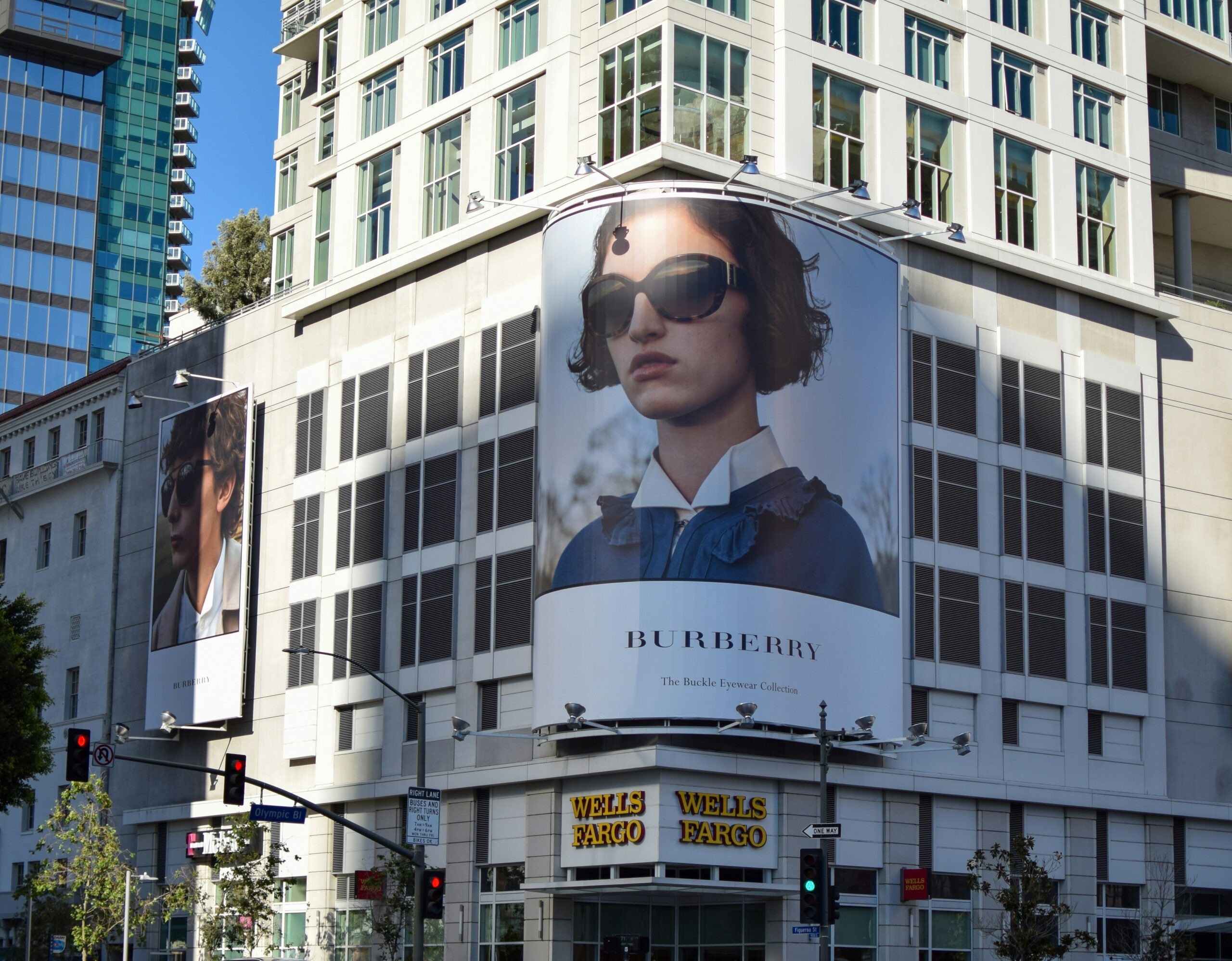
Burberry is not just a fashion brand; it’s an icon that has transcended time and trends. Founded in 1856, this British luxury label has become synonymous with quality craftsmanship and classic designs. With its signature tartan pattern and trench coats, Burberry carved out a unique niche in the world of high fashion. But what makes Burberry truly fascinating is its ability to adapt and innovate within an ever-changing industry.
From Victorian roots to modern streetwear collaborations, Burberry’s evolution reflects broader shifts in style, culture, and consumer values. As we explore the journey of this iconic brand, we’ll uncover how it continues to shape fashion trends today while embracing sustainable practices for a better tomorrow. Ready to dive into the stylish world of Burberry? Let’s go!
Burberry’s early years and iconic designs
Founded in 1856 by Thomas Burberry, the brand began as a modest outfitter in Basingstoke, Hampshire. Burberry quickly gained recognition for its innovative gabardine fabric—a waterproof and breathable material that set new standards in outerwear.
The trench coat emerged as one of its most iconic designs during World War I. Originally created for military officers, it transcended its utilitarian roots to become a timeless fashion staple. The distinctive check pattern also took shape during these formative years, evolving into a symbol synonymous with luxury and sophistication.
Burberry’s early commitment to functionality and quality established a foundation that would influence generations of designers. These pioneering creations not only showcased craftsmanship but also set the stage for modern interpretations within the fashion landscape, defining what luxury should represent even today.
The evolution of the Burberry brand
Burberry has undergone a remarkable transformation since its inception in 1856. Originally known for its durable outerwear, the brand quickly made a mark with its signature trench coat. This piece became synonymous with British style and military history.
As decades passed, Burberry embraced innovation while staying true to its roots. The introduction of the iconic check pattern in the 1920s further solidified their status as a luxury fashion house.
The turn of the millennium brought new challenges and opportunities. Under fresh leadership, Burberry redefined itself by blending traditional craftsmanship with modern aesthetics.
Collaborations and digital strategies have also played pivotal roles in this evolution. Today, it stands as an emblem of heritage infused with contemporary flair—a true testament to adaptability and vision within the ever-changing landscape of fashion.
Innovative marketing strategies
Burberry has always been ahead of the curve when it comes to marketing. The brand embraces digital platforms like no other luxury label. Their innovative approach includes live-streaming fashion shows, allowing fans worldwide to experience runway magic in real-time.
Social media plays a crucial role in Burberry’s strategy. They engage audiences through visually stunning content and collaborations with influencers who resonate with younger consumers. This creates an authentic connection that traditional ads often miss.
The “Burberry Braid” campaign is another example of their creativity, blending art and fashion seamlessly. This interactive initiative invited customers to share their stories tied to the iconic trench coat—transforming loyal buyers into active participants.
By harnessing these modern tools, Burberry continues to captivate new generations while reinforcing its heritage as a timeless brand. It’s this blend of tradition and innovation that keeps them at the forefront of the industry’s ever-evolving landscape.
Collaboration with luxury streetwear brands
Burberry has embraced the fusion of luxury and streetwear, marking a significant step in its evolution. Collaborations with contemporary brands have redefined its image, attracting a younger audience.
One standout partnership was with Supreme. This collaboration merged classic Burberry checks with bold street style, creating buzz across fashion communities. It brought high fashion into urban spaces seamlessly.
Another notable collaboration featured artist Vivienne Westwood. Her punk aesthetic paired intriguingly with Burberry’s heritage designs. The result? A collection that spoke to both tradition and rebellion.
These alliances have showcased how Burberry adapts to shifting trends while maintaining its iconic status. By merging craftsmanship with modern influences, the brand captures the essence of today’s diverse fashion landscape.
As they continue forging new partnerships, Burberry remains at the forefront of innovation within luxury fashion circles.
Sustainable fashion initiatives
Burberry has stepped up its commitment to sustainability, redefining luxury in the process. The brand’s initiatives focus on reducing environmental impact while maintaining high-quality craftsmanship.
One notable project is their use of recycled materials. By transforming waste into premium fabrics, Burberry not only minimizes landfill contributions but also promotes circular fashion.
Additionally, the company is investing heavily in responsible sourcing. This includes ensuring that raw materials meet ethical standards and are sourced from sustainable farms.
Their “Burberry Beyond” program further emphasizes transparency. It encourages customers to understand where their products come from and how they’re made.
Through innovative technologies like digital printing, Burberry reduces water usage as well. These advancements highlight a shift toward eco-friendly practices without compromising style or elegance.
The future-forward approach positions Burberry as a leader in sustainable luxury fashion while inspiring others in the industry to follow suit.
Impact on current fashion trends
Burberry’s influence on current fashion trends is undeniable. The brand has continuously redefined luxury, blending tradition with modernity in a way that resonates deeply across generations.
Their signature tartan pattern remains a staple in high-end wardrobes and street style alike. This classic motif adapts seamlessly into contemporary collections, proving its timeless appeal.
The brand’s embrace of innovative materials sets new standards within the industry. From technical fabrics to sustainable alternatives, Burberry pushes boundaries while prioritizing environmental responsibility.
Moreover, their bold color palettes and striking silhouettes inspire designers worldwide. This creativity filters down through various levels of fashion, shaping what consumers expect from luxury brands today.
By collaborating with influential figures and styles outside traditional realms, Burberry opens doors for fresh interpretations of elegance. Their blend of heritage with forward-thinking concepts continues to shape not just how we dress but how we perceive fashion itself.
Future of Burberry in the fashion industry
As Burberry moves forward, it remains a pivotal player in the fashion landscape. The brand has adapted to changing times without losing its essence. With an eye on sustainability, Burberry is setting new standards for eco-friendly practices in luxury fashion.
The rise of digital platforms presents both challenges and opportunities. By embracing e-commerce and social media, the brand can reach a younger audience while staying relevant to its traditional customer base. Collaborations with streetwear brands have redefined what luxury means today, appealing to a broader demographic.
Innovation will continue to be key as the fashion industry evolves rapidly. Whether through advanced technologies or fresh design concepts, Burberry is poised to lead trends rather than follow them. As tastes shift and new styles emerge, this historic brand’s ability to reinvent itself suggests it will remain at the forefront of global fashion for years to come.
Burberry’s journey reflects resilience and creativity—qualities that ensure its lasting impact on future generations of designers and consumers alike.