Introduction to Prada and its legacy
Prada. The name alone evokes images of sophistication, innovation, and a deep-rooted legacy in the world of fashion. Founded over a century ago in Milan, this iconic brand has continually pushed boundaries while maintaining an air of elegance that’s hard to define yet easy to recognize. With its unique approach to design and unwavering commitment to quality, Prada has carved out its own niche in the ever-evolving landscape of haute couture.
What sets Prada apart? It’s not just about luxury fabrics or eye-catching silhouettes; it’s about a philosophy—a blend of artistry and functionality that reflects both cultural movements and timeless trends. As we explore the evolution of elegance through Prada’s lens, we’ll uncover how art, architecture, sustainability, and memorable collections have shaped this venerable label into what it is today. Join us on this journey as we delve deep into the essence of Prada’s enduring allure within the fashion industry.
A brief history of Prada’s design philosophy
Prada began its journey in 1913 as a leather goods retailer in Milan. Founded by Mario Prada, it quickly gained recognition for its craftsmanship and quality. However, it was under Miuccia Prada that the brand’s design philosophy truly evolved.
Miuccia took over in the late 1970s, infusing her vision into the brand. She sought to challenge conventional notions of beauty and femininity. Her designs embraced paradoxes—combining luxury with utilitarian elements.
The minimalist aesthetic emerged during the early ’90s, marked by clean lines and subtle palettes. This approach redefined elegance, moving away from ostentatious displays of wealth.
Prada’s focus on intellectualism set it apart from competitors. The collections often reflected deeper societal themes and cultural critiques, making each piece more than just clothing—it became wearable art rooted in thoughtfulness.
The influence of art and architecture on Prada’s designs
Prada’s designs are a canvas where art and architecture intermingle. This synergy creates pieces that are both functional and visually arresting. Miuccia Prada draws inspiration from various artistic movements, infusing collections with bold colors and innovative patterns.
The influence of modernist architecture is evident in the brand’s structured silhouettes. Clean lines and geometric forms reflect an architectural ethos, enhancing the overall aesthetic appeal.
Moreover, collaborations with contemporary artists elevate each collection to new heights. These partnerships breathe life into textiles, transforming them into wearable masterpieces.
Every season tells a story through its visual elements. The dialogue between fashion design and artistic expression remains ever-present in Prada’s creations, captivating audiences around the world while pushing boundaries within the industry.
How Prada incorporates sustainability into their creations
Prada has taken significant strides towards sustainability in recent years. The brand is dedicated to reducing its environmental impact while maintaining the luxury and sophistication it’s known for.
One notable initiative is their commitment to using recycled materials. Prada’s Re-Nylon collection showcases a fabric made from regenerated nylon, sourced from ocean debris and textile waste. This innovative approach not only reduces landfill contributions but also emphasizes the importance of circular fashion.
Additionally, Prada focuses on transparency in its supply chain. By collaborating with ethical suppliers, they ensure that every piece reflects their values without compromising quality or aesthetics.
Through these efforts, Prada demonstrates that elegance and eco-consciousness can coexist beautifully. Their designs are not just about style; they embody a vision for a more sustainable future in fashion.
Iconic Prada collections and pieces through the years
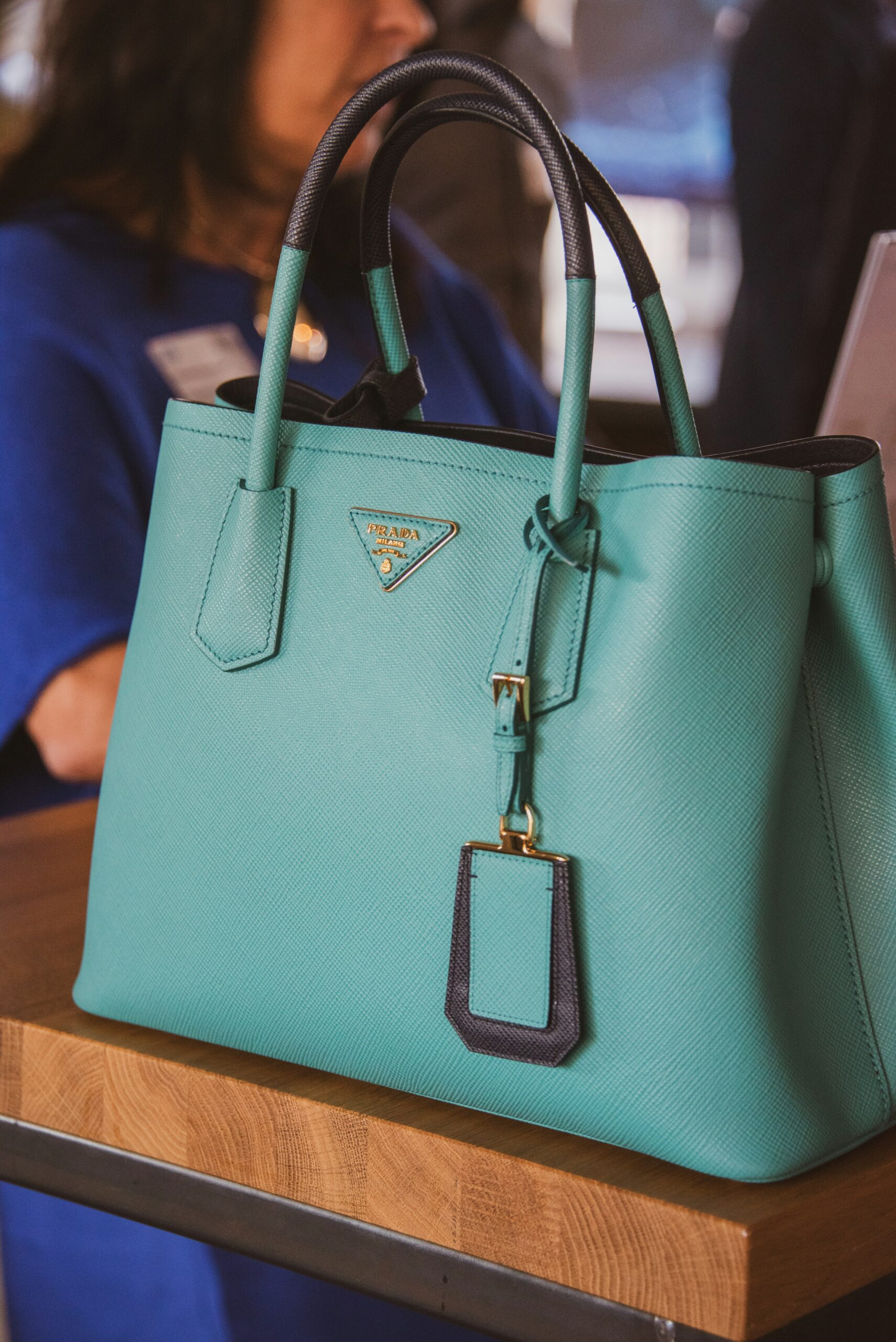
Prada has consistently redefined luxury through its innovative collections. The brand’s early years showcased simple yet sophisticated designs, exemplified by the iconic nylon bags of the 1980s. These pieces were a bold statement against traditional leather accessories, merging practicality with high fashion.
The 1995 Spring/Summer collection introduced the world to Prada’s avant-garde aesthetic. Featuring minimalist silhouettes and unexpected fabrics, it challenged conventional beauty standards in fashion.
In later years, Miuccia Prada unveiled collections that celebrated cultural references and modern art influences. The “SS18” collection featured striking prints inspired by Renaissance artwork, captivating audiences with its daring juxtaposition of past and present.
Another standout moment was the “F/W 2012” show that brought back classic menswear styles with a twist—a blend of elegance and rebellion that highlighted Prada’s ability to adapt while remaining true to its core values. Each collection tells a story, intertwining tradition with innovation seamlessly.
The enduring appeal of Prada’s elegance in the fashion industry
Prada’s elegance transcends fleeting trends. It’s a blend of sophistication and innovation that captivates fashion enthusiasts around the globe.
The brand’s ability to balance minimalism with bold statement pieces sets it apart. Each collection tells a story, drawing in admirers who appreciate both artistry and wearability.
Prada embraces contradictions—luxury meets functionality, tradition collides with modernity. This unique approach creates timeless designs that resonate through generations.
Celebrities often turn to Prada for red carpet events, knowing its creations exude confidence and style. The allure lies not just in the garments but also in the narrative behind each piece.
As new designers emerge, Prada maintains its status as a cultural icon. Its influence is undeniable; it shapes trends while staying true to its core identity of refined elegance.
: Why Prada remains a timeless brand in the ever-changing world of fashion
Prada’s ability to adapt while staying true to its core principles sets it apart in the fashion landscape. The brand thrives on a unique blend of innovation and tradition, creating pieces that resonate across generations. This duality is evident in every collection; each design tells a story rooted in history but speaks to contemporary aesthetics.
The allure of Prada lies not only in its craftsmanship but also in its constant exploration of art and culture. By embracing influences from various creative realms, Prada remains relevant yet distinct. This synergy allows the brand to redefine elegance continually while appealing to modern sensibilities.
Sustainability has become paramount for many consumers today, and Prada is keenly aware of this shift. Their commitment to ethical practices reflects a forward-thinking approach that aligns with evolving consumer values—making luxury more accessible without compromising integrity.
Iconic collections like the nylon bags or sleek footwear have transcended mere trends. They embody timelessness, proving that style does not fade with seasons but rather evolves into something enduring and cherished by loyal patrons worldwide.
As fashion continues to change at an unprecedented pace, brands often lose their identity amidst fleeting trends. Yet, Prada navigates these waters with grace and assurance. Its designs remain infused with sophistication and purpose—a testament that true elegance never goes out of style.
In an industry characterized by rapid transformations, Prada stands as a beacon of timeless appeal—a legacy woven through meticulous design philosophy anchored firmly in creativity and sustainability.