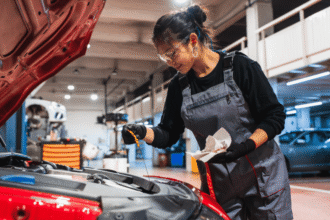

Your car is more than just a mode of transportation; it’s an investment that deserves your attention and care. Just like you wouldn’t ignore a health check-up, your vehicle requires regular maintenance to keep it in top shape. Whether you’re commuting to work or embarking on a road trip adventure, ensuring that your automobile runs smoothly can save you time, money, and headaches down the line.
In this ultimate guide to car maintenance, we’ll explore everything from simple DIY tasks to when it’s best to call in the professionals. By understanding the importance of maintaining your vehicle and recognizing potential problems before they escalate, you’ll be well-equipped to keep your ride in peak condition for years to come. So buckle up as we dive into the essential tips and tricks for car care!
The Importance of Car Maintenance
Car maintenance is crucial for ensuring your vehicle’s longevity and reliability. Regular upkeep helps to prevent unexpected breakdowns that can leave you stranded and stressed. A well-maintained car performs better, offering improved fuel efficiency and smoother rides.
Taking care of small issues before they escalate saves you money in the long run. Ignoring a minor engine sound or a dashboard warning light could lead to expensive repairs down the line.
Safety is another vital aspect. Routine checks on brakes, tires, and lights reduce the risk of accidents caused by mechanical failure. When every component functions correctly, you enjoy peace of mind while driving.
Maintaining your car can enhance its resale value. A history of consistent care signals to potential buyers that you’ve prioritized quality over time—making it an attractive investment when you’re ready for an upgrade.
Regular Maintenance Tasks to Keep Your Car Running Smoothly
Keeping your car in top shape requires regular attention. Start with oil changes, which are crucial for engine health. Fresh oil lubricates moving parts and ensures smooth operation.
Next, don’t overlook tire maintenance. Regularly check air pressure and tread depth. Properly inflated tires enhance fuel efficiency and improve handling.
Brakes deserve their share of focus too. Listen for any unusual noises or vibrations when braking, as they could indicate wear on pads or rotors.
Fluid levels matter significantly—coolant, brake fluid, transmission fluid—all need checking periodically to prevent overheating or system failures.
Replace air filters as needed to maintain optimal airflow to the engine and cabin. A clean filter promotes better performance and a healthier environment inside your vehicle.
How Often Should You Do These Tasks?
Establishing a maintenance schedule is essential for keeping your vehicle in top shape. Generally, it’s recommended to perform an oil change every 5,000 to 7,500 miles. This keeps the engine lubricated and running smoothly.
Tire rotations should occur every 6,000 to 8,000 miles. Regular rotation helps ensure even wear and prolongs their lifespan.
Brake inspections are crucial too; these should be conducted semi-annually or if you notice any unusual sounds when braking.
Don’t forget about fluid checks! Transmission fluid and coolant levels should be inspected at least once a year. Keeping them topped off can prevent significant issues down the road.
Air filter replacements typically happen around every 15,000 to 30,000 miles depending on driving conditions and environment. A clean air filter boosts performance and fuel efficiency.
Staying proactive with these tasks ensures your car remains reliable for years ahead.
DIY vs Professional Maintenance – Pros and Cons
When it comes to car maintenance, choosing between DIY and professional help can be tricky.
DIY maintenance offers flexibility. You can tackle tasks on your schedule and often save money on labor costs. Simple jobs like oil changes or air filter replacements are manageable with basic tools and online tutorials.
However, there’s a catch. Without experience, you might overlook critical issues or make mistakes that could lead to bigger problems later on.
On the other hand, professional mechanics bring expertise and specialized equipment to the table. They can quickly diagnose complex issues that might stump an amateur.
Yet this convenience usually comes at a higher cost. Regular visits to a mechanic may strain your budget over time.
Weighing your skills against potential expenses is key in deciding which route suits you best for maintaining vehicle health.
Common Car Problems and How to Prevent Them
Cars can face a variety of common issues that often stem from neglect. One prevalent problem is the battery dying, usually caused by leaving lights on or corroded terminals. Regularly checking connections and replacing old batteries can help avoid this.
Another frequent culprit is flat tires. Improper inflation or wear and tear leads to blowouts. Keep an eye on tire pressure and rotate them every 5,000 miles for longevity.
Brake problems are also widespread, manifesting as squeaking sounds or reduced responsiveness. Regular inspections ensure brake pads are replaced before they cause damage to rotors.
Engine overheating can result from low coolant levels or a malfunctioning thermostat. Monitoring fluid levels regularly will keep your engine running smoothly while reducing risks of major repairs down the line.
Understanding Your Car’s Warning Signs
Your car communicates with you in subtle ways. Recognizing its warning signs can make all the difference.
A flickering check engine light is often your first clue. It could signify anything from a loose gas cap to more serious engine issues. Don’t ignore it; prompt attention may prevent costly repairs later.
Listen for unfamiliar sounds, too. A grinding noise when braking might indicate worn-out brake pads, while a high-pitched squeal could suggest belt problems. Each sound carries meaning that should not be overlooked.
Pay attention to changes in performance as well. If your vehicle hesitates or struggles during acceleration, it’s time to investigate further.
Unusual smells can signal trouble—like burning rubber or sweet coolant odors—which warrant immediate inspection by a professional. Your vigilance can protect both your safety and your investment on the road.
Tips for Choosing a Reliable Mechanic
Finding a reliable mechanic can feel daunting, but it doesn’t have to be. Start by asking friends and family for recommendations. Personal experiences often lead to trustworthy options.
Check online reviews as well. Websites like Yelp or Google Reviews provide insights into other customers’ experiences. Look for patterns in feedback—consistency matters.
Visit the shop before committing. A clean and organized garage is usually a good sign of professionalism. Observe how staff interacts with customers; friendliness goes a long way.
Ensure they’re certified and experienced with your car make and model. Certifications indicate their commitment to ongoing education in automotive technology.
Don’t hesitate to ask questions about repairs or maintenance practices. A knowledgeable mechanic should be willing to explain services clearly without jargon.
Get quotes from multiple shops when possible, but remember that the cheapest option isn’t always the best choice for quality service.
How Proper Maintenance Can Save You Money in the Long Run
Regular maintenance is an investment that pays off. Skipping oil changes or neglecting tire rotations can lead to costly repairs down the line. A small expense today can prevent a major financial headache tomorrow.
Imagine your engine running smoothly because you kept up with fluid checks and filter replacements. This proactive approach not only enhances performance but also extends your vehicle’s lifespan.
Furthermore, well-maintained cars are often more fuel-efficient. That means savings at the pump each month, which adds up significantly over time.
Insurance costs may also decrease when you demonstrate responsible car care through regular check-ups and proper maintenance records. Insurers reward drivers who show commitment to safety and reliability.
By prioritizing upkeep, you’re setting yourself up for fewer surprises on the road—both in terms of breakdowns and unexpected expenses associated with them.
The Benefits of Keeping Your Car Clean and Organized
Keeping your car clean and organized goes beyond aesthetics; it contributes significantly to its longevity. A tidy interior can enhance your driving experience, making every trip more enjoyable. Plus, a clutter-free environment reduces distractions, allowing you to focus on the road.
Regular cleaning prevents wear and tear. Dirt and grime can damage surfaces over time, leading to costly repairs. By washing your car frequently and vacuuming the inside, you help maintain its value.
Organizing items in your vehicle also plays a vital role in safety. It ensures that essential tools or emergency kits are easily accessible when needed. You won’t waste precious minutes searching for an item during an urgent situation.
Moreover, a well-maintained exterior protects against rust and corrosion caused by salt or moisture. Waxing not only gives your car shine but creates a barrier against harmful elements.
Investing time into keeping your automobile neat pays off tremendously in both performance and peace of mind. It’s all about creating an environment where you feel comfortable while ensuring that your vehicle remains reliable for years to come.