
Starting a business is an exhilarating journey, filled with dreams and ambitions. But before you dive headfirst into your entrepreneurial adventure, there’s a crucial step you can’t overlook: the legal side of things. Setting up your business legally isn’t just about checking boxes; it lays the foundation for future success and protects what you’ve built.
Whether you’re launching a freelance gig or planning to run a small enterprise, understanding how to legally start a business is essential. Think of it as creating the roadmap that guides you through registration procedures, compliance requirements, and more. It may seem daunting at first glance, but don’t worry—a comprehensive checklist will help make this process smooth.
From choosing the right business structure to securing trademarks for your brand, each step plays an important role in ensuring your venture stands on solid ground. So let’s get started on this legal checklist tailored for entrepreneurs like you!
When Should You Legally Set Up Your Business?
Deciding when to legally set up your business is a pivotal moment. It often begins with an idea, but timing matters more than you think.
If you’re generating income or engaging clients, it’s time to take action. Operating without legal protection can expose you to risks that might jeopardize your personal assets.
Another key factor is growth potential. If you foresee expansion or hiring employees soon, setting up legally provides structure and safeguards for both you and your future team.
Don’t forget about the local regulations and compliance requirements. Some areas require registration before starting any operations, so make sure to check those rules early on.
Consider your commitment level. If you’re serious about turning this venture into a sustainable business rather than just a side hustle, establishing it legally should be high on your priority list.
Choosing the Right Business Structure
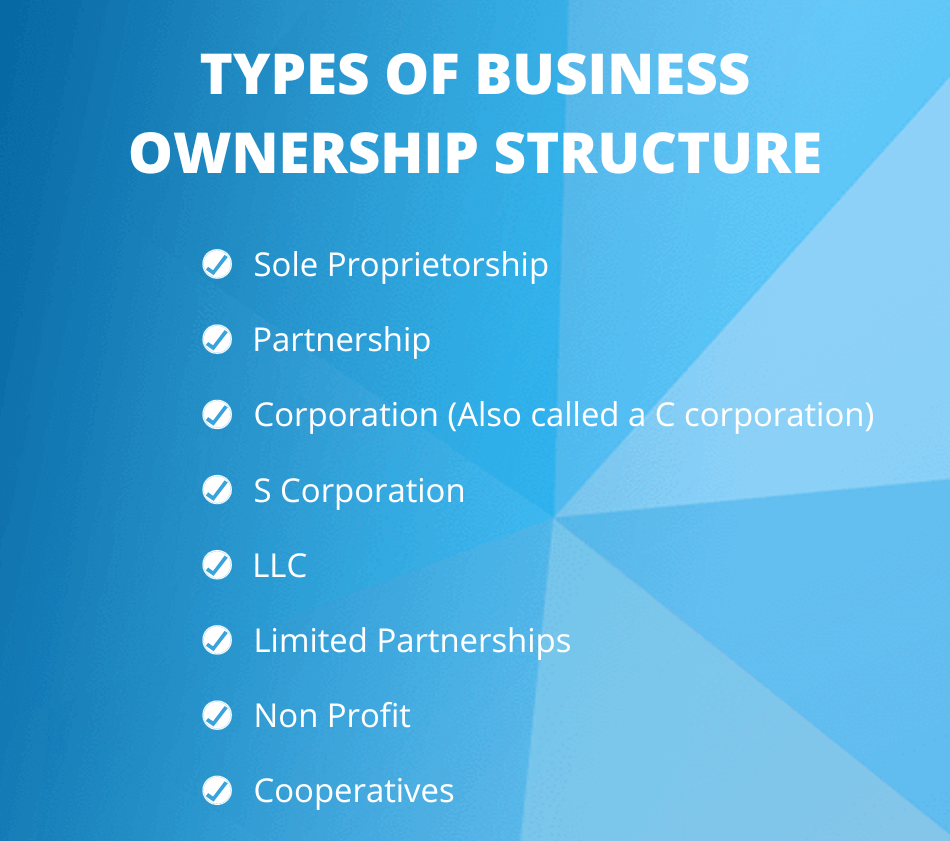
Choosing the right business structure is a critical decision for any entrepreneur. It impacts everything from your taxes to your personal liability.
Common options include sole proprietorships, partnerships, corporations, and LLCs. Each has its pros and cons. For instance, an LLC offers limited liability protection while allowing flexibility in management.
Think about how you want to run your business. A sole proprietorship may be simpler but exposes you personally to risks. On the other hand, forming a corporation means more paperwork but can provide significant legal protections.
Consider scalability as well; if you plan to grow or bring on partners later, starting with an LLC might save you time and headaches down the road. Research each option thoroughly before making a choice that aligns with both your vision and practical needs.
Choose and Register Your Business Name
Choosing the right name for your business is a crucial step. It’s not just about creativity; it reflects your brand identity and values.
Start with brainstorming ideas that resonate with your vision. Think about what makes you unique in your industry. A catchy, memorable name can set you apart from competitors and attract customers.
Once you have a shortlist, check availability. Search online to ensure no one else has claimed those names. You don’t want to face potential legal issues later on.
After settling on a name, register it officially. This process varies by state but typically involves submitting forms and paying fees. Registering protects your business against others using the same or similar names.
Remember, this isn’t just about compliance; it’s an investment in building a strong brand presence in the marketplace. Choose wisely!
Check Whether You Need a DBA

When starting a business, you might come across the term DBA, which stands for “Doing Business As.” This is crucial if you plan to operate under a name different from your legal business name.
If you’re an entrepreneur or freelancer using your own name, a DBA may not be necessary. However, if you want to create a unique brand identity that resonates with customers, filing for a DBA can be beneficial.
Consider this: Having a catchy and memorable name can set you apart in the market. It’s also important for branding purposes and helps establish credibility with clients.
Before jumping in, check local regulations regarding DBAs. Some states require registration while others have different requirements. Understanding these details ensures compliance as well as protects your chosen business identity effectively.
Register Your Business With the State

Registering your business with the state is a crucial step in establishing its legitimacy. This process ensures that you’re operating within the legal framework, which can provide peace of mind and protection.
Each state has specific requirements for registration. Typically, you’ll need to file paperwork detailing your business structure, such as an LLC or corporation. Fees vary by state, so it’s wise to check before proceeding.
Once registered, you’ll receive essential documents that authenticate your enterprise. These may be required when opening a bank account or applying for permits and licenses.
Don’t overlook this vital step; it’s more than just red tape. A registered business enhances credibility with clients and suppliers alike. It signifies professionalism and commitment in today’s competitive market landscape.
Get a Registered Agent

A registered agent acts as your business’s official point of contact for legal documents. This could include tax notices, court summons, and other important correspondence.
Having a registered agent ensures that you don’t miss critical deadlines or important communications. It provides peace of mind knowing there’s someone designated to handle these matters professionally.
You can serve as your own registered agent if you’re eligible, but it comes with some challenges. For instance, you’ll need to be available during regular business hours at the address listed in public records.
Alternatively, hiring a professional service can relieve this burden. They often offer additional perks like compliance reminders and mail forwarding services. This allows you to focus more on growing your business rather than managing paperwork and potential legal issues.
Protect Your Business Name and Brand With a Trademark

Protecting your business name and brand is crucial in today’s competitive market. A trademark offers a layer of security that prevents others from using your unique identifiers. It ensures that customers associate your products or services solely with you.
When you register a trademark, you gain exclusive rights to use specific names, logos, or slogans related to your business. This can enhance customer trust and loyalty as they recognize and differentiate your brand from competitors.
The process involves submitting an application through the United States Patent and Trademark Office (USPTO) or relevant authority in your country. Conduct thorough research before applying to ensure no existing trademarks conflict with yours.
Investing time in this legal step helps safeguard the essence of what makes your business unique. Neglecting it could lead to costly disputes down the line, potentially harming both reputation and revenue.
Understand Your Business Licenses, Permits, and Tax Obligations

Navigating the world of business licenses and permits can be daunting. Each state has its own requirements, so it’s essential to research what’s needed for your specific industry.
Certain businesses require special permits or licenses based on their activities. For example, if you’re running a food service, health department approvals are crucial.
Tax obligations also vary widely. Understanding whether you need to collect sales tax or file certain local taxes is vital for compliance. Missing these details can lead to fines and penalties down the line.
It’s beneficial to consult with an accountant who understands small business legal requirements in your area. They can offer tailored advice that aligns with your unique situation and ensure nothing slips through the cracks.
Staying informed about regulations not only protects your venture but also helps build credibility with clients and partners alike.
Consider Legal and Compliance Support as Your Business Grows

As your business expands, so do its legal complexities. Navigating these waters can be daunting without proper support. Legal and compliance issues become increasingly intricate as you hire employees or enter new markets.
Investing in legal counsel early on can save you time and money down the road. A good attorney will help ensure that you’re compliant with local, state, and federal regulations. They’ll also assist with contracts, employee agreements, and intellectual property protections.
Consider utilizing online legal services tailored for small businesses if hiring a full-time lawyer isn’t feasible yet. These platforms offer essential resources at a fraction of the cost while still providing valuable guidance.
It’s crucial to stay proactive about your legal needs as your business evolves. Ignoring potential pitfalls might lead to costly consequences later on; being prepared is key to long-term success.
DIY vs. Using an Online Legal Service

Setting up your business legally can seem daunting, but the right approach can make it manageable. When considering whether to go the DIY route or use an online legal service, weigh your options carefully.
DIY allows you to dive deep into every aspect of your business’s legal requirements. This hands-on method offers a sense of control and understanding over what needs to be done. However, it can also be time-consuming and may lead to oversights if you’re not well-versed in legal jargon.
On the other hand, utilizing online legal services provides convenience and expertise. These platforms often guide you through necessary processes like LLC formation or trademark registration efficiently and accurately. They save valuable time that you could redirect towards growing your business.
Both paths have their merits depending on your comfort level with handling legal matters and how much support you feel you need as you embark on this entrepreneurial journey. Whichever option you choose, ensure you’ve covered all bases so that your venture starts off strong from a legal standpoint.