Introduction to Color Palettes in Fashion
Color is more than just a visual delight; it’s a powerful tool in fashion. The shades you choose can convey emotions, influence perceptions, and reflect your personality. Whether you’re dressing for work, a special occasion, or simply to express yourself, understanding color palettes can elevate your style game considerably.
Imagine walking into a room and instantly turning heads because of the colors you paired together. From bold hues that scream confidence to soft pastels that whisper elegance, the right color palette has the power to transform not just your outfit but also how you feel about yourself.
In this blog post, we’ll dive deep into the world of color palettes in fashion. You’ll discover why choosing the right colors matters and how to create an impactful wardrobe that resonates with who you are. Get ready to awaken your inner stylist as we explore popular palettes and share tips on mixing and matching like a pro!
The Importance of Choosing the Right Colors
Colors are more than just visual appeal; they evoke emotions and set the tone of your outfit. Choosing the right colors can enhance your mood and boost your confidence.
Wearing colors that complement your skin tone is crucial. The right shades can brighten your complexion, making you look refreshed and vibrant. Conversely, poor color choices may leave you looking washed out or tired.
Additionally, colors convey messages about who you are. For instance, wearing bold reds might suggest confidence and assertiveness, while softer pastels could portray a gentle demeanor.
Understanding how to work with color can elevate not only personal style but also professional presence. A well-chosen palette communicates intention and attention to detail without saying a word.
How to Create a Color Palette for Your Wardrobe
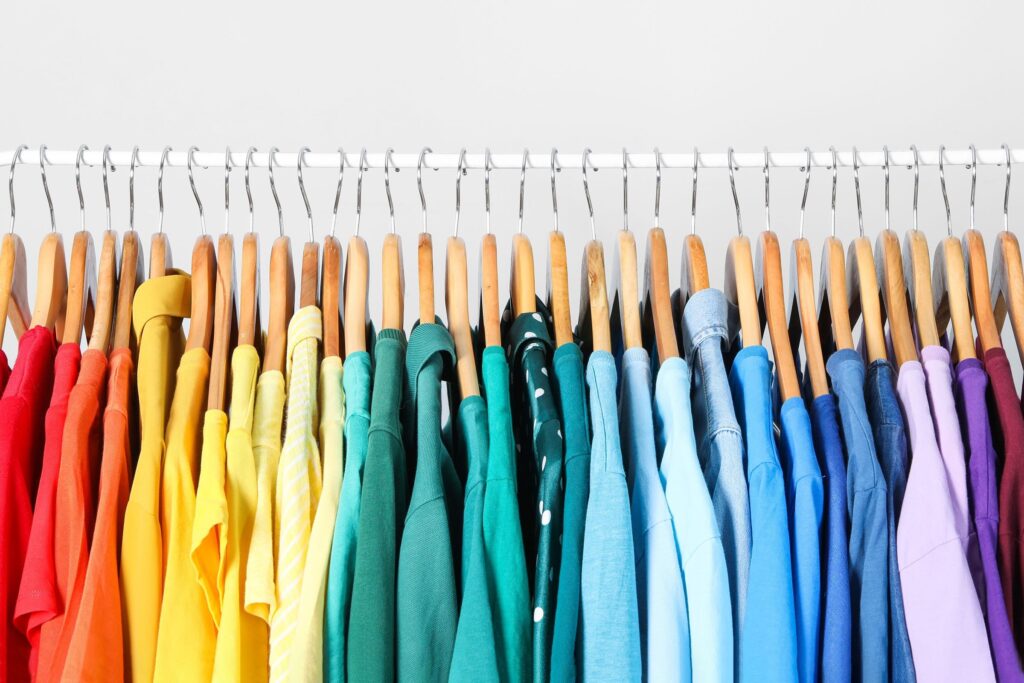
Creating a color palette for your wardrobe can transform the way you dress. Start by identifying your favorite colors. Consider which shades make you feel confident and vibrant.
Next, look at seasonal trends or timeless hues that resonate with your style. Earthy tones, pastels, or bold primaries can set different moods in your outfits.
Once you’ve narrowed it down, aim for a base color. This will anchor the rest of your choices and create harmony in your looks. From there, choose complementary colors to add variety without overwhelming contrast.
Using tools like mood boards or apps can help visualize how these colors work together. Swatches from fabric stores or online palettes are also useful references when planning outfits.
Don’t shy away from experimenting! Mixing textures along with hues adds depth while keeping things fresh and exciting in fashion choices.
Popular Color Palettes in Fashion
Fashion thrives on color, and certain palettes have stood the test of time. One popular choice is the monochromatic look. It involves varying shades of a single color, creating depth without overwhelming the eye.
Complementary colors make quite a statement as well. Think bold contrasts like deep blue paired with vibrant orange. This palette adds energy to any outfit.
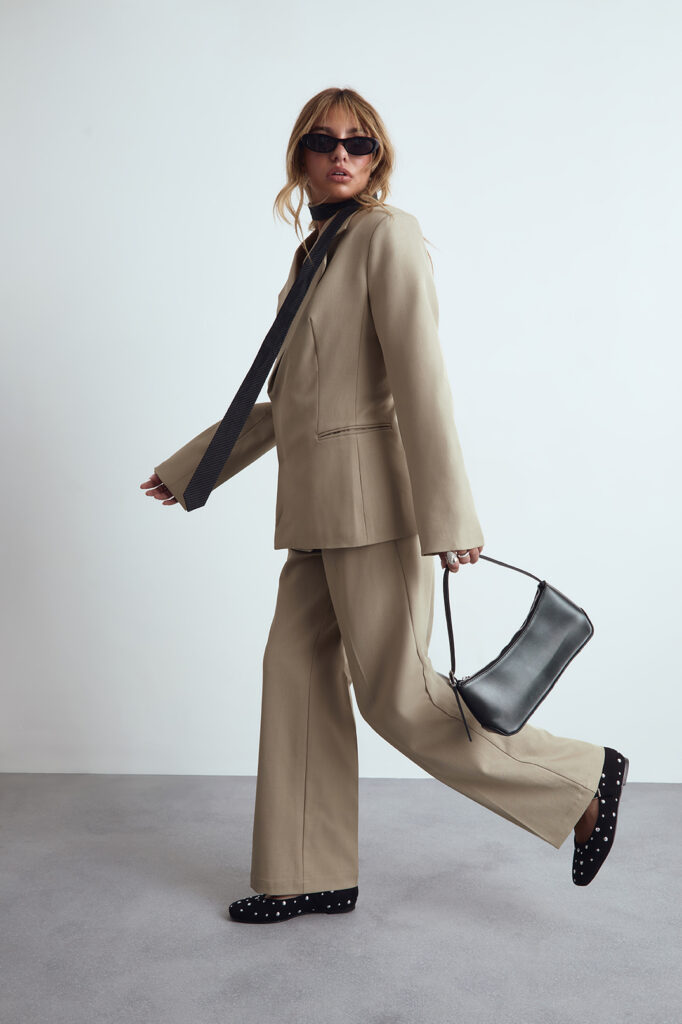
For those seeking sophistication, neutrals reign supreme. Shades like beige, gray, and white offer versatility and can be dressed up or down effortlessly.
Earth tones are also making waves in fashion circles today. Rich browns, warm terracottas, and soft greens evoke nature’s beauty while providing a calming aesthetic.
Pastel palettes bring softness to style choices. Light pinks, mint greens, and baby blues create fresh looks that feel both modern and playful in everyday wear.
Tips for Mixing and Matching Colors
Mixing and matching colors can feel daunting, but it’s all about balance. Start by choosing a dominant color for your outfit. This will anchor the look and give you a space to play with accents.
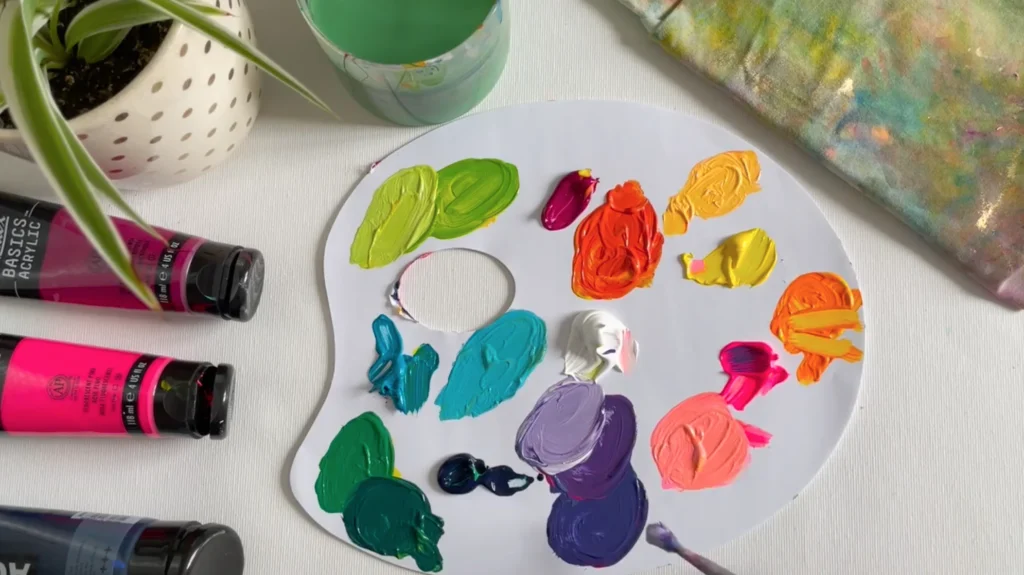
Next, think of complementary colors. These are hues that sit opposite each other on the color wheel. They create striking contrasts that draw attention without clashing.
Don’t shy away from neutrals. Shades like beige, gray, or white can help tone down bolder colors while adding sophistication to your ensemble.
Textures also matter when mixing colors. A vibrant top paired with textured bottoms adds depth and interest without overwhelming the palette.
Remember to trust your instincts! Fashion is personal; if you feel confident in what you’re wearing, it shows!
Utilizing Color Theory in Your Outfits
Color theory is a fantastic tool for elevating your outfits. It helps you understand how colors interact and create harmony or contrast.
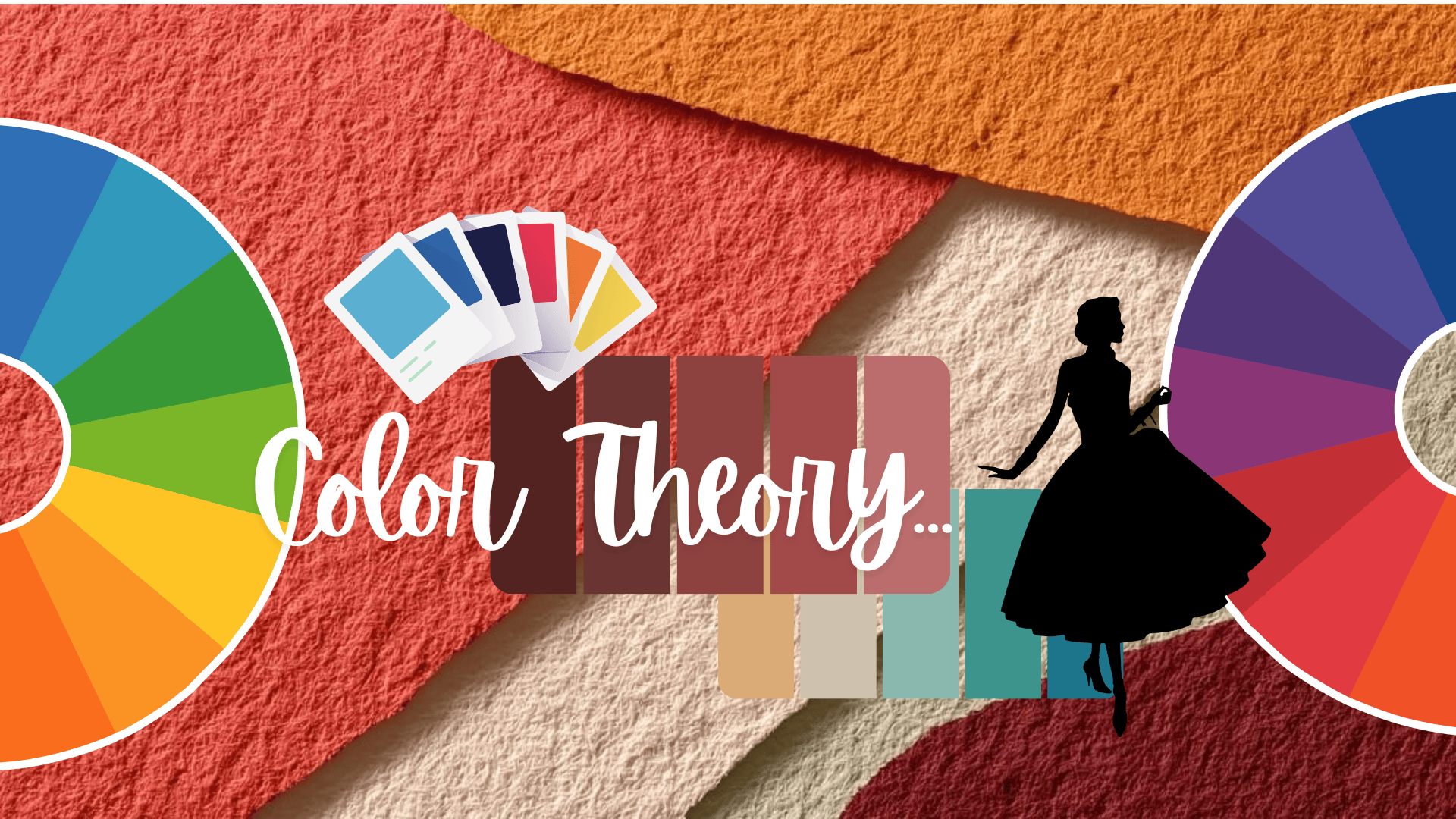
Start with the color wheel. Primary colors like red, blue, and yellow can be mixed to create secondary shades such as green, orange, and purple. Understanding this relationship allows for more intentional outfit choices.
Consider complementary colors—those opposite each other on the wheel. Pairing these creates striking visuals that catch the eye. Think of wearing a cobalt blue top with bright orange accessories.
Analogous colors sit next to each other on the wheel and are perfect for creating a cohesive look without overwhelming your audience. A combination of teal, turquoise, and soft greens can evoke calmness while remaining stylish.
Don’t shy away from experimenting within these frameworks; mix textures too! Combining different fabrics in your chosen palette can add depth to any ensemble.
Conclusion
Understanding color palettes in fashion is essential for creating a wardrobe that reflects your personal style. The right colors can enhance your appearance and boost your confidence.
Choosing the right colors goes beyond aesthetics. Colors evoke emotions and convey messages about who you are. They can even influence how others perceive you. This makes it crucial to select hues that resonate with your personality and lifestyle.
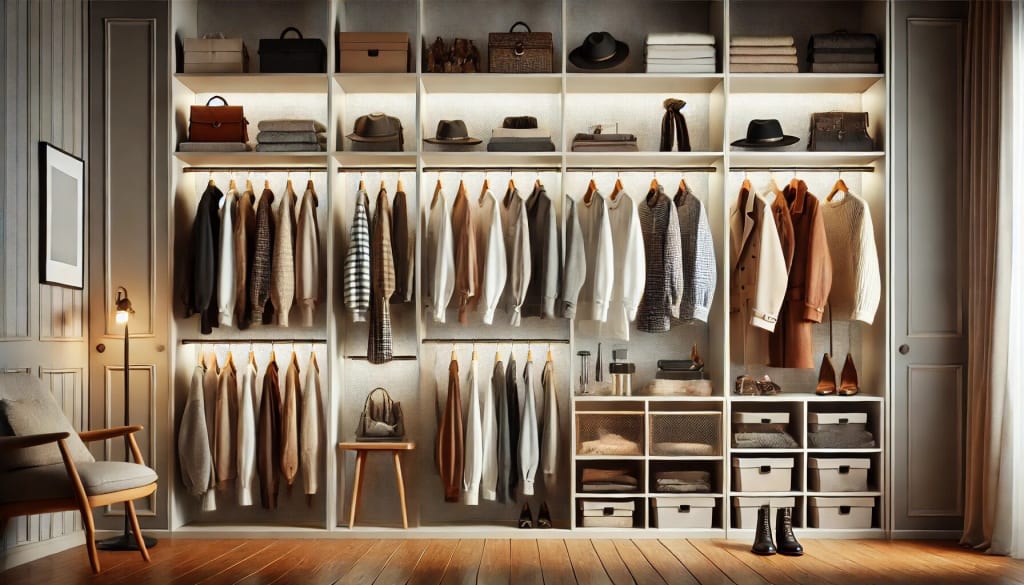
Creating a cohesive color palette involves evaluating what works best for you. Start by identifying shades that complement your skin tone, hair, and eye color. Consider incorporating versatile neutrals as they easily pair with bolder hues.
Exploring popular color palettes can inspire fresh outfit ideas. From monochromatic schemes to complementary colors, each approach offers unique visual appeal and allows for individual expression through fashion choices.
Mixing and matching colors requires some practice but is rewarding when done correctly. Experiment with different combinations while keeping balance in mind—too many competing shades may overwhelm an outfit while too few might feel bland.
Utilizing basic principles of color theory helps refine your clothing selections further. Understanding concepts like warm versus cool tones will guide you toward harmonious looks that stand out yet remain stylishly unified.
Fashion is not just about clothes; it’s also about expressing yourself through vibrant shades tailored to fit all occasions or moods.