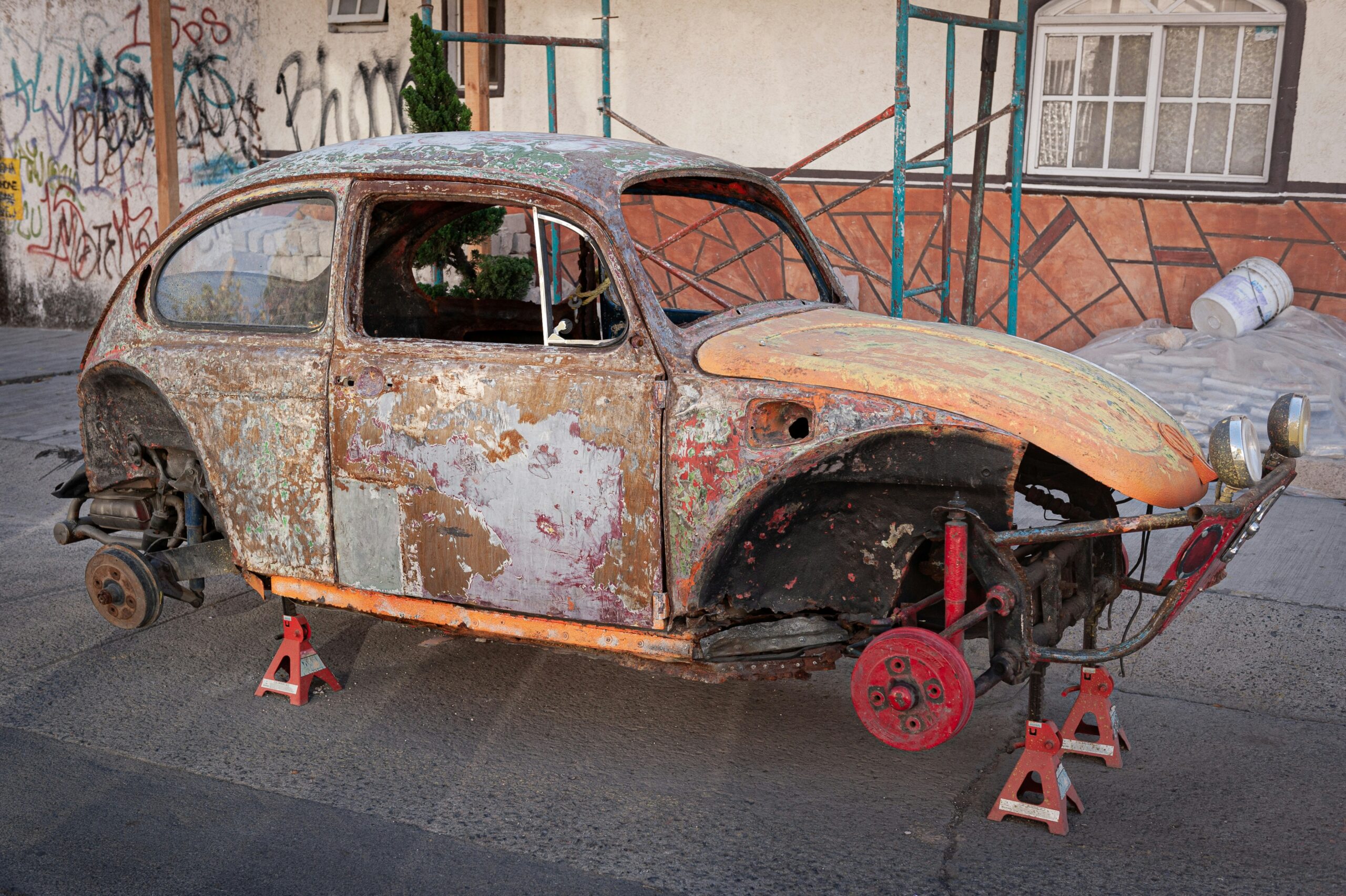
Introduction to Volkswagen and its history
Volkswagen, a name that resonates with car enthusiasts and casual drivers alike, has a rich history spanning over eight decades. Founded in 1937, the company was born out of a vision for affordable automobiles designed for the masses. This German powerhouse quickly became synonymous with groundbreaking engineering and distinctive design. But what truly sets Volkswagen apart is its ability to adapt through changing times.
From its humble beginnings to becoming an automotive giant, Volkswagen’s journey is filled with iconic moments and transformative innovations. The Beetle, perhaps the most recognizable car ever made, revolutionized not just how we drive but also how we think about cars themselves. Yet as the world shifts towards sustainability and electric mobility, Volkswagen faces new challenges that are reshaping its trajectory once again.
Join us as we explore this fascinating evolution—from the beloved Beetle to today’s cutting-edge electric vehicles—and discover how VW is steering into a promising future while honoring its storied past.
The iconic Beetle and its impact on the automotive industry
The Volkswagen Beetle, launched in the 1930s, is more than just a car. It became a symbol of freedom and individuality. Its round shape and unique design captured hearts around the globe.
This little vehicle played a significant role in making automobiles accessible to the masses. The Beetle was affordable, practical, and reliable—qualities that transformed consumer expectations.
As production ramped up post-World War II, it turned into an icon of counterculture during the 1960s. Many saw it as a representation of peace and love.
Beyond its charm, the Beetle influenced automotive engineering with its rear-engine layout and diverse variations over decades. Other manufacturers took notes from its success story as they aimed to replicate its magic in different forms.
Its legacy still resonates today as we navigate through modern automotive innovations while remembering this beloved classic’s profound impact on our roads.
Challenges faced by Volkswagen in the 21st century
The 21st century has not been kind to Volkswagen. The infamous emissions scandal in 2015 shook the company’s reputation to its core. Once synonymous with reliability and innovation, Volkswagen found itself embroiled in controversy, facing legal battles and hefty fines.
Regulatory scrutiny intensified across the globe. Governments demanded stricter compliance standards while consumers grew increasingly wary of traditional automotive practices. This shift prompted a reevaluation of business strategies.
Compounding these issues was the rapid rise of tech-savvy competitors like Tesla. They disrupted the industry landscape, pushing all manufacturers toward electric solutions faster than anticipated.
Volkswagen needed to adapt quickly or risk obsolescence. Balancing legacy systems with modern demands became an uphill struggle as they sought to regain consumer trust amidst changing expectations for sustainability and performance.
Shifting towards electric vehicles: The beginning of a new era
As the world grapples with climate change, Volkswagen recognized a pivotal moment to pivot. The automotive giant embarked on an ambitious journey towards electric mobility. This shift wasn’t just about compliance; it was a response to evolving consumer expectations and environmental demands.
Volkswagen unveiled its vision through strategic investments in technology and infrastructure. With commitment at its core, the company set aggressive targets for electrification across its entire lineup.
Production facilities began revamping processes to accommodate new battery technologies. Engineers worked diligently to create vehicles that were not only sustainable but also exhilarating to drive.
This transition marked more than just a change in products; it signified a cultural transformation within Volkswagen itself. Employees embraced innovation while fostering collaboration across departments—creating an environment ripe for groundbreaking ideas.
It became clear that this movement toward electric vehicles would redefine the brand’s future and reshape perceptions globally.
The success of the all-electric ID series
The all-electric ID series has redefined what it means to drive a Volkswagen. Launched with the ID.3, this lineup embodies modernity and sustainability.
With an impressive range and quick charging capabilities, these vehicles cater to the needs of today’s drivers. The sleek design captures attention while promoting an eco-friendly lifestyle.
ID models are equipped with advanced technology, enhancing both safety and enjoyment on every journey. Features like augmented reality displays make driving more intuitive than ever.
Volkswagen’s commitment to electric mobility is further highlighted by the growing popularity of the ID.4 SUV. It blends practicality with performance, appealing to families and adventure seekers alike.
As sales soar globally, VW continues expanding its electric offerings, proving that innovation can coexist seamlessly with tradition in automotive history.
Future plans and developments for Volkswagen’s electric revolution
Volkswagen is gearing up for an ambitious future in the electric vehicle landscape. The company has committed to launching a diverse lineup of battery-powered models over the next few years. This includes expanding their ID series, which continues to gain traction among eco-conscious drivers.
The focus isn’t just on passenger cars. Volkswagen is exploring electric options for commercial vehicles as well, indicating a broader commitment to sustainability across its entire fleet.
Additionally, investments in charging infrastructure are in motion. Volkswagen aims to make EV ownership more accessible by enhancing charging networks globally.
Research and development efforts are also ramping up. Innovations in battery technology promise longer ranges and shorter charging times, addressing two significant concerns for potential buyers.
With these strategic moves, Volkswagen is not only reshaping its brand but also redefining what it means to drive sustainably in the modern age.
: Volkswagen’s journey towards sustainability and innovation
Volkswagen’s journey towards sustainability and innovation reflects a deep commitment to reshaping the automotive landscape. As the world increasingly embraces eco-friendly solutions, Volkswagen is taking significant strides to reduce its carbon footprint.
The company has set ambitious targets for electric vehicle production. Their goal of becoming a leader in sustainable mobility is clear. With investments pouring into advanced technologies, Volkswagen aims not just to create vehicles but also to foster greener practices throughout their operations.
Moreover, partnerships with other tech firms are enhancing their push toward innovation. Collaborations on battery technology and charging infrastructure are vital for supporting this transition. These efforts signify more than just adaptation; they represent an evolution in how we think about transportation.
As consumers demand cleaner options, Volkswagen continues to rise to the challenge. The path may be complex, but their dedication to creating a sustainable future is unwavering. This brand isn’t merely navigating change; it’s actively steering towards a brighter tomorrow in mobility and environmental stewardship.