Introduction to Virtual Private Networks (VPNs) for mobile devices
In today’s fast-paced digital world, staying connected on our mobile devices is more important than ever. Whether you’re browsing the web at your favorite café or catching up on emails while commuting, having a secure and private connection is essential. This is where Virtual Private Networks (VPNs) come into play. A VPN acts like a protective cloak for your data, ensuring that no prying eyes can intercept your online activities.
As we rely on our smartphones for everything from banking to social media, safeguarding personal information has become crucial. With cyber threats lurking around every corner, understanding how a VPN works and why it’s vital for mobile devices can make all the difference in protecting your privacy and security online. Dive in as we explore the ins and outs of selecting the right VPN tailored specifically for your mobile lifestyle!
Why is a VPN important for mobile devices?
Mobile devices are a constant part of our lives, allowing us to stay connected on the go. However, this convenience comes with risks. Public Wi-Fi networks often lack proper security measures, making it easy for hackers to intercept your data.
Using a VPN adds an essential layer of protection. It encrypts your internet connection, ensuring that personal information like passwords and credit card numbers remain safe from prying eyes.
Moreover, a VPN can help you access restricted content and maintain privacy while browsing. This is especially important when traveling or using apps that may track your location and online behavior.
By masking your IP address, a VPN enhances anonymity online. This means less targeted advertising and greater control over who sees your digital footprint. Embracing this technology empowers users to navigate the web more securely and freely.
Types of VPNs available for mobile devices
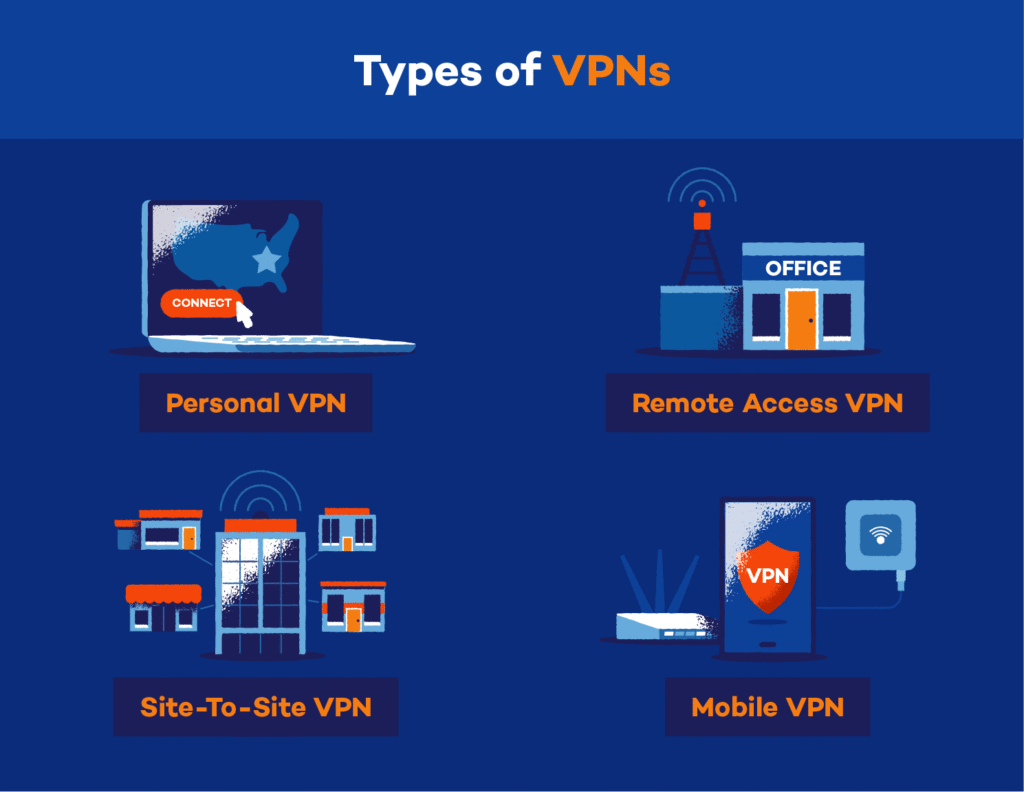
When exploring VPNs for mobile devices, you’ll encounter several types. Each serves a distinct purpose and addresses different user needs.
Remote Access VPNs are popular among individuals. They allow users to connect securely to a remote server, enabling safe access to private networks from anywhere.
Site-to-Site VPNs cater more to businesses. This type connects entire networks together, ensuring secure communication between multiple office locations over the internet.
Another option is Mobile VPNs, designed specifically for smartphones and tablets. These maintain a stable connection even when switching between Wi-Fi and cellular data, making them ideal for on-the-go users.
There are SSL/TLS-based VPNs that focus on securing web applications. These provide an extra layer of encryption without requiring specialized client software, appealing to those who prioritize simplicity alongside security.
Factors to consider when choosing a VPN for your mobile device
Choosing the right VPN for your mobile device involves several crucial factors. First, consider the level of encryption offered. Strong encryption is essential to ensure your data remains secure from prying eyes.
Next, look at server locations. A wider selection of servers allows you to bypass geo-restrictions and access content globally. This can enhance your streaming experience significantly.
Speed is another important element. Opt for a VPN known for high-speed connections to avoid frustrating lags during downloads or streaming sessions.
User-friendliness matters too. An intuitive interface makes it easier to connect and switch servers on the go, especially when you’re in a hurry.
Check customer support options. Reliable assistance can be invaluable if you encounter technical issues while using the service on your mobile device.
Top recommended VPNs for mobile devices
When it comes to choosing a VPN for mobile devices, several options stand out in the crowded marketplace.
ExpressVPN is widely praised for its speed and user-friendly interface. It offers robust security features, making it ideal for on-the-go users.
NordVPN also garners attention with its double encryption feature, ensuring your data remains secure even on public Wi-Fi networks. Its extensive server network allows for seamless browsing worldwide.
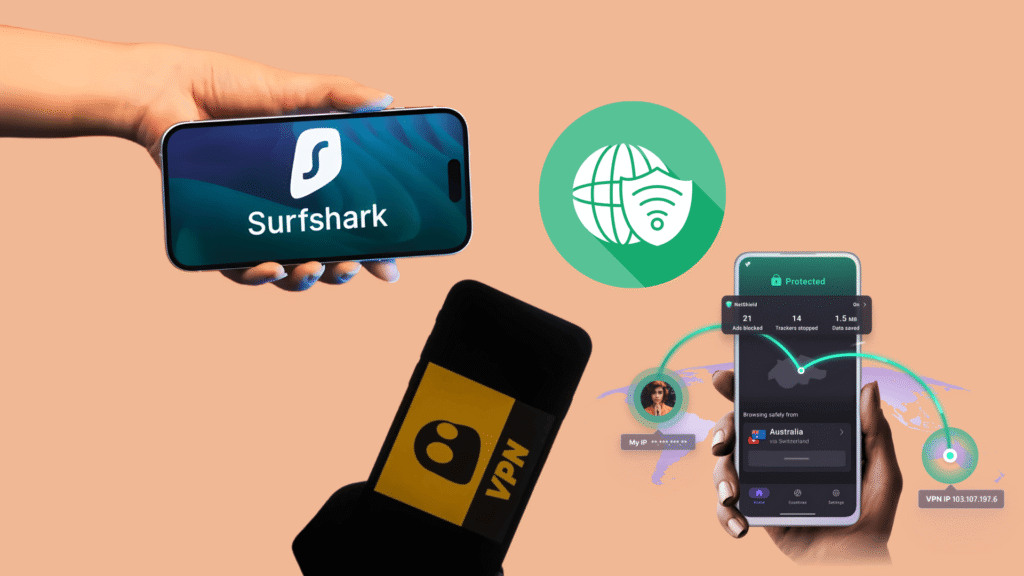
Surfshark stands out as an affordable option without sacrificing quality. Unlimited device connections mean you can protect all your gadgets simultaneously.
For those seeking a free solution, ProtonVPN provides basic services at no cost while still prioritizing privacy standards.
Each of these VPNs caters to different needs and preferences, giving you ample choices to enhance your mobile security experience.
How to set up and use a VPN on your mobile device
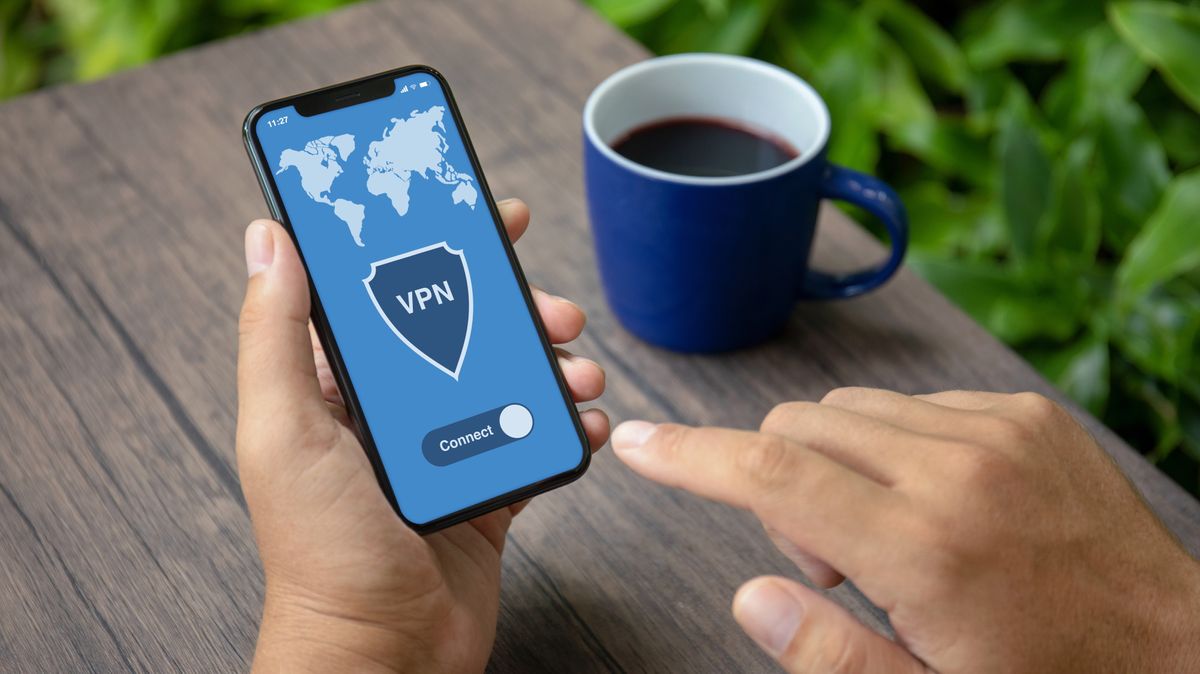
Setting up a VPN on your mobile device is straightforward. Start by choosing a reputable VPN service that fits your needs. Most offer apps for both iOS and Android.
Once you’ve selected a provider, download the app from the App Store or Google Play. Open it after installation and sign in using your account details.
Next, you’ll usually see options to connect to various servers around the world. Select one based on your preferences—whether you want faster speeds or access to specific content.
After connecting, you’ll notice an icon indicating that the VPN is active. This ensures all of your internet traffic is encrypted and secure.
Using the app’s settings allows you to customize features like auto-connect or kill switch capabilities for added protection while browsing or streaming on-the-go. Stay aware of any updates from your VPN provider for optimal performance as well.
The importance of regularly updating and maintaining your VPN
Regular updates are crucial for your VPN. Developers release these updates to patch vulnerabilities and enhance security features. Failing to update can leave you exposed to online threats.
Maintenance goes beyond mere software upgrades. It includes checking server locations, connection speeds, and overall performance. An outdated VPN may not offer optimal service or protection.
Your privacy relies on the efficiency of encryption protocols. As technology evolves, so do cyber-attacks. Keeping your VPN current ensures that you stay one step ahead of potential breaches.
Additionally, some updates introduce new functionalities that improve user experience. These enhancements can make your browsing smoother and more secure.
Make it a habit to regularly check for updates or enable automatic installations whenever possible. This simple practice keeps your digital life safeguarded against emerging risks while maximizing the effectiveness of your chosen VPN service.
Conclusion
Selecting the right VPN for your mobile device is an essential step toward protecting your online privacy and security. With so many options available, it’s crucial to understand how a VPN works and why it matters for mobile users. By considering factors such as speed, compatibility, encryption protocols, and customer support, you can make an informed decision that meets your needs.
The variety of VPN types ensures there’s something suitable for everyone—from casual browsers to heavy streamers. Investing in a reputable service can significantly enhance your security on public Wi-Fi networks while providing access to geo-restricted content.
Regularly updating and maintaining your chosen VPN not only optimizes its performance but also fortifies its defenses against emerging threats. As internet landscapes evolve, staying vigilant with updates protects both personal information and browsing habits.
Choosing a reliable VPN is more than just a technical choice; it’s about taking control of your digital life on mobile devices. Make sure you explore the top recommended services we discussed earlier—finding one that fits seamlessly into your lifestyle will grant peace of mind in today’s interconnected world. Embrace the benefits of using a VPN and enjoy safer surfing wherever you go!