Introduction to Autonomous Vehicles
The world is on the brink of a revolution, one that promises to reshape our roads and redefine mobility. Autonomous vehicles, once confined to the realm of science fiction, are now cruising into reality. Picture this: cars that drive themselves, navigate traffic seamlessly, and communicate with each other to enhance safety. The future isn’t just arriving; it’s already here.
As technology advances at breakneck speed, industries across the globe are being forced to adapt or risk obsolescence. The auto industry is no exception. With autonomous vehicles poised to disrupt traditional driving paradigms, what does this mean for consumers and manufacturers alike? Let’s dive deeper into how these self-driving wonders will change not only how we travel but also the entire landscape of transportation as we know it.
The Benefits of Autonomous Vehicles
Autonomous vehicles offer a range of benefits that can transform our daily lives. One major advantage is enhanced safety. With advanced sensors and algorithms, these cars are designed to reduce human error, which accounts for a significant number of accidents.
Another appealing feature is increased accessibility. Individuals with disabilities or those unable to drive can gain newfound independence through self-driving technology. This opens doors for many who have previously relied on others for transportation.
Efficiency is also key. Autonomous vehicles optimize routes and driving patterns, leading to reduced traffic congestion and lower fuel consumption. As they communicate with each other in real-time, the potential for smoother flows on busy roads increases significantly.
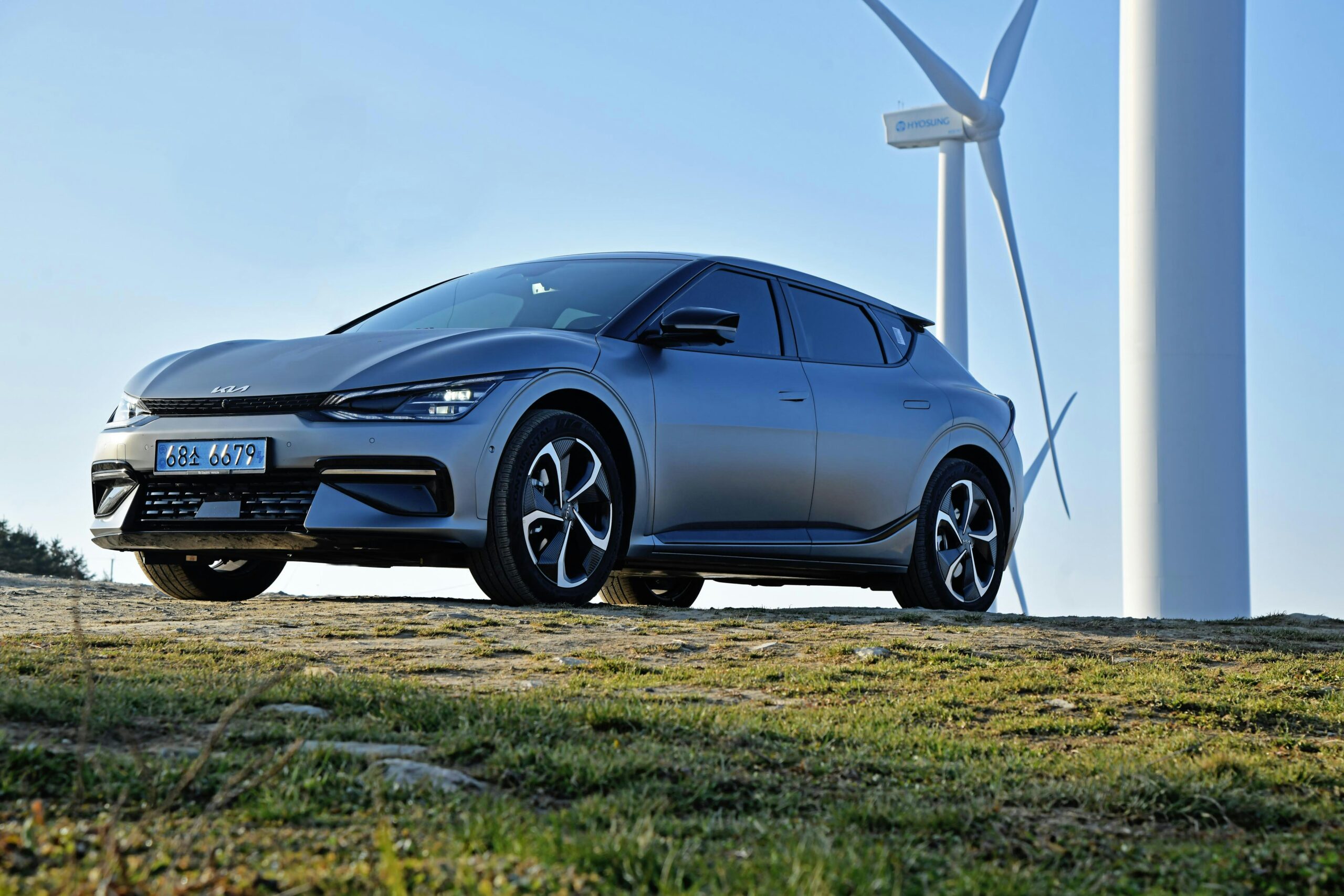
There’s environmental impact to consider. Electric autonomous vehicles could help decrease greenhouse gas emissions while promoting sustainable practices within the auto industry as a whole.
Challenges Facing the Implementation of Autonomous Vehicles
Implementing autonomous vehicles is no small feat. One major challenge is the technology itself. While advances are promising, achieving full autonomy in diverse environments remains complex.
Another hurdle lies in public perception. Many individuals feel uneasy about relinquishing control to machines. Trust issues are significant barriers that need addressing before widespread adoption can occur.
Legal and insurance frameworks also require reevaluation. Current laws may not adequately cover incidents involving self-driving cars, creating uncertainty for manufacturers and consumers alike.
Moreover, infrastructure must evolve to support these vehicles effectively. Smart roads and advanced traffic systems are necessary for seamless integration into everyday life.
Cybersecurity poses a serious concern. Protecting autonomous vehicles from hacking or digital threats is crucial to ensure safety and confidence among users. Each of these challenges requires careful consideration as we move towards an era dominated by self-driving technology.
Impact on Traditional Auto Industry and Job Market
The rise of autonomous vehicles is reshaping the traditional auto industry in profound ways. Manufacturers are now facing pressure to innovate rapidly. The focus is shifting from just building cars to developing sophisticated software and sensors that ensure safety and efficiency.
Job roles within the industry are also evolving. While some positions, particularly in assembly lines, may decline due to automation, new opportunities are emerging in tech-driven sectors. Engineers specializing in AI and data analysis will become increasingly valuable.
Moreover, ride-sharing services using self-driving technology could disrupt personal vehicle ownership models entirely. This shift may lead consumers to rethink their relationship with car ownership.
As companies adapt, partnerships between automotive giants and tech firms are becoming more common. This collaboration aims to accelerate research and development efforts while navigating the complexities of a changing marketplace.
Government Regulations and Policies Related to Autonomous Vehicles
Government regulations surrounding autonomous vehicles are evolving rapidly. Policymakers recognize the potential for these technologies to transform transportation, but they also understand the need for safety and accountability.
Different countries approach regulation differently. In some regions, testing permits require strict adherence to safety protocols before companies can hit public roads. This includes insurance requirements and data-sharing agreements that ensure transparency.
Privacy is another major concern. As vehicles collect vast amounts of data about their surroundings—and even passengers—governments must establish guidelines that protect individual rights while promoting innovation.
Meanwhile, infrastructure adaptations are on the horizon. Roads may need updates to accommodate vehicle-to-infrastructure communication systems essential for seamless operation in a fully autonomous environment.
As this field develops, collaboration between tech companies and regulatory bodies will be crucial for shaping effective policies that foster growth while safeguarding public interests.
Future Predictions for the Auto Industry with the Rise of Autonomous Vehicles
The rise of autonomous vehicles is set to reshape the auto industry in profound ways. As technology advances, we can expect a significant shift toward electric and driverless cars dominating our roads.
With improved AI algorithms, vehicles will communicate seamlessly with each other and infrastructure. Traffic jams may become a thing of the past as smart routing systems optimize travel routes in real-time.
Car ownership models are also likely to evolve. Subscription services and ride-sharing platforms could take precedence over traditional car sales, making transportation more accessible for many.
Furthermore, automakers will invest heavily in research and development. Partnerships between tech companies and automotive giants will drive innovation at an unprecedented pace.
Consumer attitudes towards driving might transform as well—people may prefer relaxing during commutes rather than actively navigating traffic themselves. These changes hint at an exciting future where mobility becomes safer, smarter, and more efficient.
Embracing the Evolution of Transportation
As we stand on the brink of a transportation revolution, embracing autonomous vehicles is essential. These innovations promise safer roads and more efficient travel. They challenge us to rethink our relationship with cars.
The evolution isn’t just about technology; it’s about how we adapt as individuals and communities. It offers opportunities for smarter urban planning and reduced traffic congestion. Imagine cities designed for people, not just vehicles.
While challenges remain, such as legislation and infrastructure readiness, the potential rewards are vast. The journey may be complex, but it’s an exciting one filled with possibilities.
Each step forward in this transition invites us to envision a future where mobility is accessible to all. As we navigate these changes together, let’s embrace this evolution in transportation wholeheartedly.