
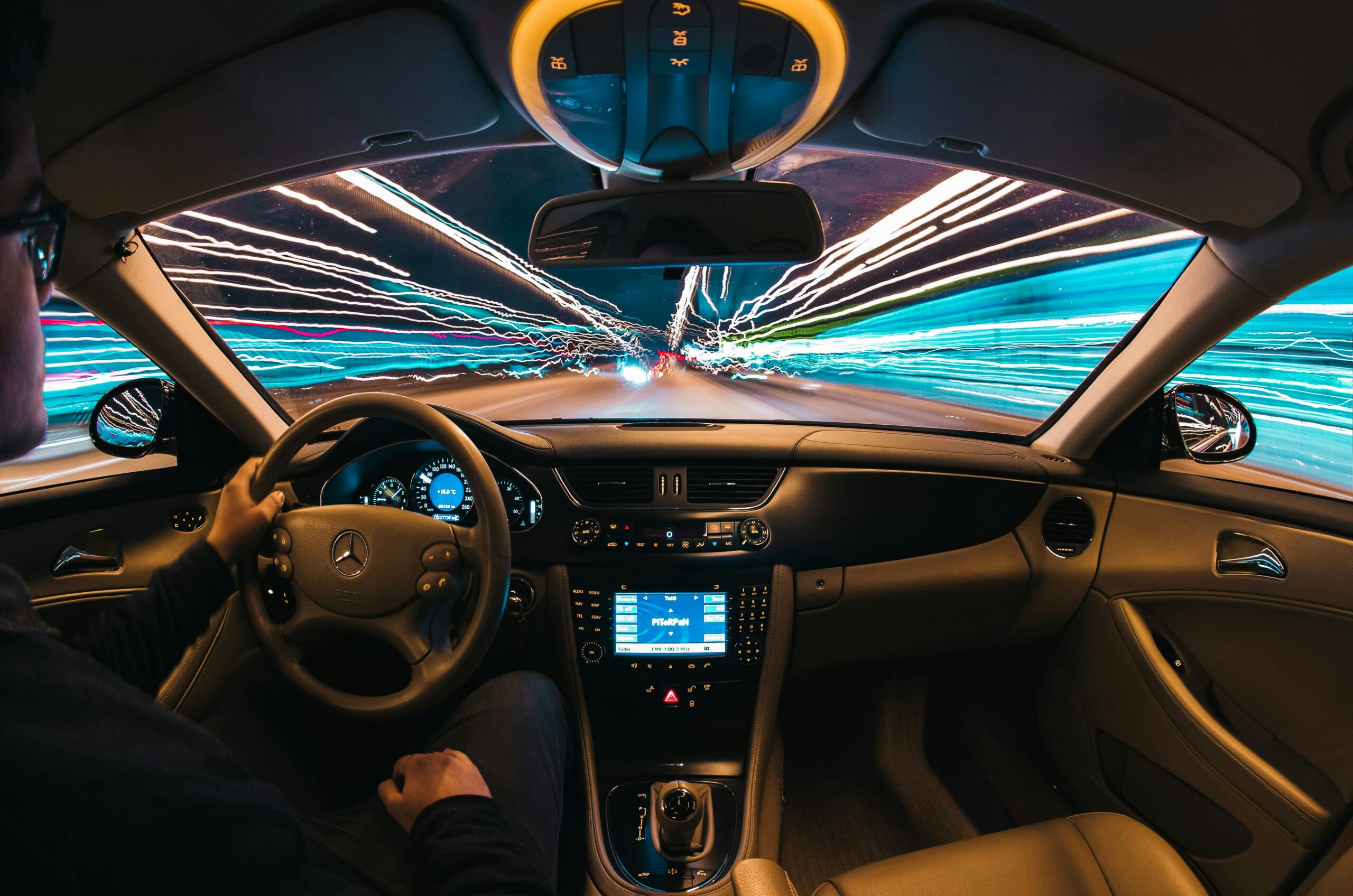
Introduction to the world of cars
Cars are more than just machines that get us from point A to point B. They tell stories, embody dreams, and capture the essence of our cultures. From the rumble of a vintage engine to the whisper-quiet hum of an electric motor, each vehicle carries with it a piece of history. The journey through automotive history is not merely about transportation; it’s about innovation, design evolution, and societal changes.
As we dive into this fascinating world, we’ll explore how automobiles have transformed over time—from their humble beginnings to becoming modern marvels equipped with groundbreaking technologies. Buckle up as we take you on a ride through the milestones that shaped the cars we know today!
Early Beginnings: The Invention of the Automobile
The journey of the automobile began in the late 19th century. It was a time when innovation sparked curiosity and imagination. Inventors dreamt of creating machines that could transport people with ease.
Karl Benz is often credited as a pioneer, unveiling the first practical gasoline-powered car in 1885. His invention changed everything. Suddenly, personal mobility became a reality for many.
Before this breakthrough, horse-drawn carriages ruled the roads. The transition from horses to horsepower marked a significant shift in society’s approach to travel.
Other inventors joined the race, experimenting with steam engines and electric vehicles. Each attempt pushed boundaries and expanded possibilities.
These early creations laid the foundation for what would become an industry revolutionizing transportation globally. They ignited passion among enthusiasts and set off a chain reaction that continues to influence automotive design today.
Evolution of Design: From Classic Cars to Modern Marvels
The evolution of car design is a fascinating journey that mirrors societal changes and technological advancements. Early automobiles were functional, prioritizing mechanics over aesthetics. Boxy shapes dominated the streets, with minimal attention paid to style.
As time went on, designers began to explore curves and chrome. The 1950s brought an explosion of creativity; tailfins and vibrant colors captivated buyers. Cars became symbols of freedom and prosperity during this era.
Moving into the modern age, technology took center stage. Aerodynamics replaced flamboyant designs as efficiency became key. Electric vehicles now showcase sleek lines and futuristic features that hint at a sustainable future.
Today’s cars are equipped with smart technologies, blending form with function seamlessly. Designers focus not only on visual appeal but also on user experience in an ever-connected world. Each model reflects a story of innovation while paving the way for what lies ahead in automotive artistry.
Revolutionary Technologies in the Automotive Industry
The automotive industry is a hotbed of innovation. Each decade brings groundbreaking technologies that redefine mobility.
Electric vehicles (EVs) have surged in popularity, driven by advancements in battery technology. Longer ranges and faster charging times are changing how we think about distance travel.
Autonomous driving systems are making waves too. Companies invest heavily in AI to enhance safety and efficiency on the road. Imagine cars that can navigate traffic without human intervention.
Connectivity plays a crucial role as well. Smart features allow drivers to integrate their devices seamlessly with their vehicles, creating an interactive experience like never before.
Finally, 3D printing is revolutionizing manufacturing processes, enabling quicker production and customization of parts. This shift opens doors for innovative designs while reducing costs significantly.
These technologies not only improve performance but also pave the way for a sustainable future in transportation.
Iconic Cars and Their Impact on Pop Culture
Cars have long been more than just a means of transportation; they are cultural icons that shape our identity and influence lifestyles. The Ford Mustang, for instance, became synonymous with freedom and rebellion in the 1960s. Its sleek design captured the spirit of an era.
Then there’s the Volkswagen Beetle, a symbol of peace and love during the counterculture movement. It rolled through history as a favorite among hippies and families alike.
Movies also play a pivotal role in elevating certain models to legendary status. Think of James Bond’s Aston Martin or the DeLorean from “Back to the Future.” These vehicles not only thrill but also create lasting impressions on audiences.
Even video games contribute significantly by showcasing cars like Gran Turismo’s classic racers or Need for Speed’s high-octane machines. Each car tells a story—one that intertwines with music, fashion, and societal shifts over time.
Sustainability in the Automotive World
As the world grapples with climate change, the automotive industry is shifting gears toward sustainability. Manufacturers are now prioritizing eco-friendly practices in every aspect of production.
Electric vehicles (EVs) have gained immense popularity. These cars produce zero tailpipe emissions and offer an alternative to traditional gasoline engines. They also encourage innovations in battery technology, making them more efficient and accessible for consumers.
Additionally, many automakers are exploring sustainable materials for their interiors and exteriors. Recycled plastics, natural fibers, and bio-based composites reduce waste while maintaining quality.
The push for renewable energy sources further enhances this movement. Charging stations powered by solar or wind energy contribute to a cleaner driving experience.
Car-sharing platforms promote reduced ownership models that challenge conventional consumption patterns. By embracing these changes, the automotive sector paves the way for a greener future on our roads.
Future of Cars: Predictions and Possibilities
The future of cars is an exhilarating concept, brimming with possibilities that seem almost like science fiction. As technology advances at a breakneck pace, the automotive landscape will continue to transform in ways we can only begin to imagine.
Electric vehicles are set to dominate the roads as battery technology improves. With longer ranges and quicker charging times, they’re becoming more practical for everyday use. Many governments are setting targets for phasing out gas-powered cars, pushing manufacturers toward greener alternatives.
Autonomous driving is another frontier on the horizon. Companies are investing heavily in self-driving technologies that promise not only convenience but also enhanced safety. Imagine a world where you can sit back and relax while your car navigates through traffic effortlessly.
Connectivity will play a pivotal role too. Future cars will likely be integrated into our digital lives more than ever before. From smart navigation systems that adapt based on real-time data to entertainment options tailored just for you, these vehicles could become extensions of our personal devices.
Sustainability goes beyond electric powertrains; it’s about materials and manufacturing processes as well. The focus on recycling and using eco-friendly materials will shape how cars are built and what they’re made from.
Urban mobility solutions such as ride-sharing services or micro-mobility options could redefine vehicle ownership altogether. Instead of owning a car outright, people may rely more on shared transportation models designed for efficiency and cost-effectiveness.
With so many trends at play, it’s clear the journey ahead in automotive history is anything but dull—it’s full of exciting innovations waiting around every corner.