Have you ever wondered how much your electronics are costing you every month? As energy bills rise, more homeowners are seeking ways to cut costs while being kind to the planet. The good news is that modern electronics offer incredible opportunities for energy efficiency. With advancements in technology, it’s easier than ever to save money and reduce your carbon footprint right from the comfort of your home.
From smart thermostats to energy-efficient appliances, these innovations not only enhance our daily lives but also contribute significantly to lower utility bills. Let’s explore how embracing these technologies can lead you toward a greener lifestyle without sacrificing comfort or convenience.
The Importance of Energy Efficiency
Energy efficiency is more than just a buzzword; it’s a necessity in today’s world. As energy costs climb, finding ways to reduce consumption can have a substantial impact on your wallet.
But it goes beyond personal savings. Lowering energy use helps decrease greenhouse gas emissions. This shift contributes to tackling climate change and protecting our environment for future generations.
Moreover, adopting energy-efficient practices supports the economy by creating jobs in the renewable sector. It’s an investment in sustainable development that benefits everyone.
By prioritizing energy efficiency at home, you’re not only enhancing your quality of life but also playing a role in building a healthier planet. It fosters innovation as manufacturers strive to create better products with fewer resources.
How Modern Electronics Conserve Energy
Modern electronics are designed with energy conservation in mind. They utilize advanced technologies that minimize power consumption without sacrificing performance.
Take LED lighting, for instance. LEDs use significantly less energy than traditional incandescent bulbs while providing the same brightness. This not only reduces electricity bills but also extends bulb life.
Smart appliances are another game-changer. Many of them adjust their operation based on usage patterns or peak hours, ensuring they only consume energy when necessary.
Energy-efficient chargers and devices automatically switch to a low-power mode when idle, preventing unnecessary waste.
Even entertainment systems have evolved; many come equipped with settings that optimize power usage during periods of inactivity.
These innovations make it easier for homeowners to adopt eco-friendly habits while keeping costs down.
Energy-Saving Features to Look for in Electronics
When shopping for new electronics, consider energy-saving features. Look for appliances with the ENERGY STAR label. This certification indicates that they meet strict efficiency guidelines set by the U.
S. Environmental Protection Agency.
Also, check for devices with adjustable power settings. These allow you to customize energy use based on your needs. For example, some televisions let you reduce brightness during daylight hours.
Another feature to watch out for is standby mode or sleep functions. Electronics that automatically switch to a low-energy state when not in use can significantly lower consumption without sacrificing convenience.
Smart technology integration is another advantage worth exploring. Devices that connect to Wi-Fi often have apps allowing remote control and monitoring of energy usage, making it easier to manage consumption from anywhere.
Selecting products equipped with these features can help create a more efficient home environment while saving money on utility bills over time.
Smart Home Technology and its Impact on Energy Efficiency
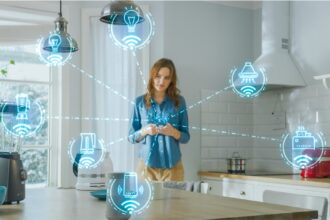
Smart home technology is transforming the way we manage energy use in our homes. With devices like smart thermostats, homeowners can optimize heating and cooling based on their daily schedules. This means less wasted energy when no one is around.
Lighting systems have also evolved. Smart bulbs allow you to control brightness remotely or set schedules. You can even automate them to turn off when you leave a room, reducing unnecessary power consumption.
Additionally, smart plugs offer a simple solution for monitoring device usage. They track how much energy your electronics consume and help identify areas where savings are possible.
Voice assistants further streamline this process by allowing hands-free control over various appliances, ensuring they operate only when needed. The result? Enhanced efficiency leads to lower utility bills while maintaining comfort in your living space.
Embracing these technologies not only supports personal finances but also contributes positively to environmental goals.
Tips for Saving Money on Your Energy Bill with Modern Electronics
Start with simple habits. Unplug devices when not in use. Even idle electronics consume energy, adding to your bill.
Take advantage of power strips. They allow you to disconnect multiple devices quickly, minimizing standby power consumption.
Use programmable thermostats for heating and cooling. Set schedules based on your routine to avoid wasting energy when you’re away from home.
Consider LED lighting. These bulbs last longer and use significantly less electricity than traditional incandescent options.
Be mindful of appliance usage during peak hours. Running dishwashers or laundry machines late at night can lower costs due to off-peak pricing in many regions.
Explore mobile apps that help monitor energy usage in real-time. Staying informed empowers you to make smarter choices about your electronic devices and overall energy consumption.
Investing in Energy-Efficient Appliances and Devices
Investing in energy-efficient appliances is a smart move for both your wallet and the environment. These devices are designed to consume less electricity while delivering top performance.
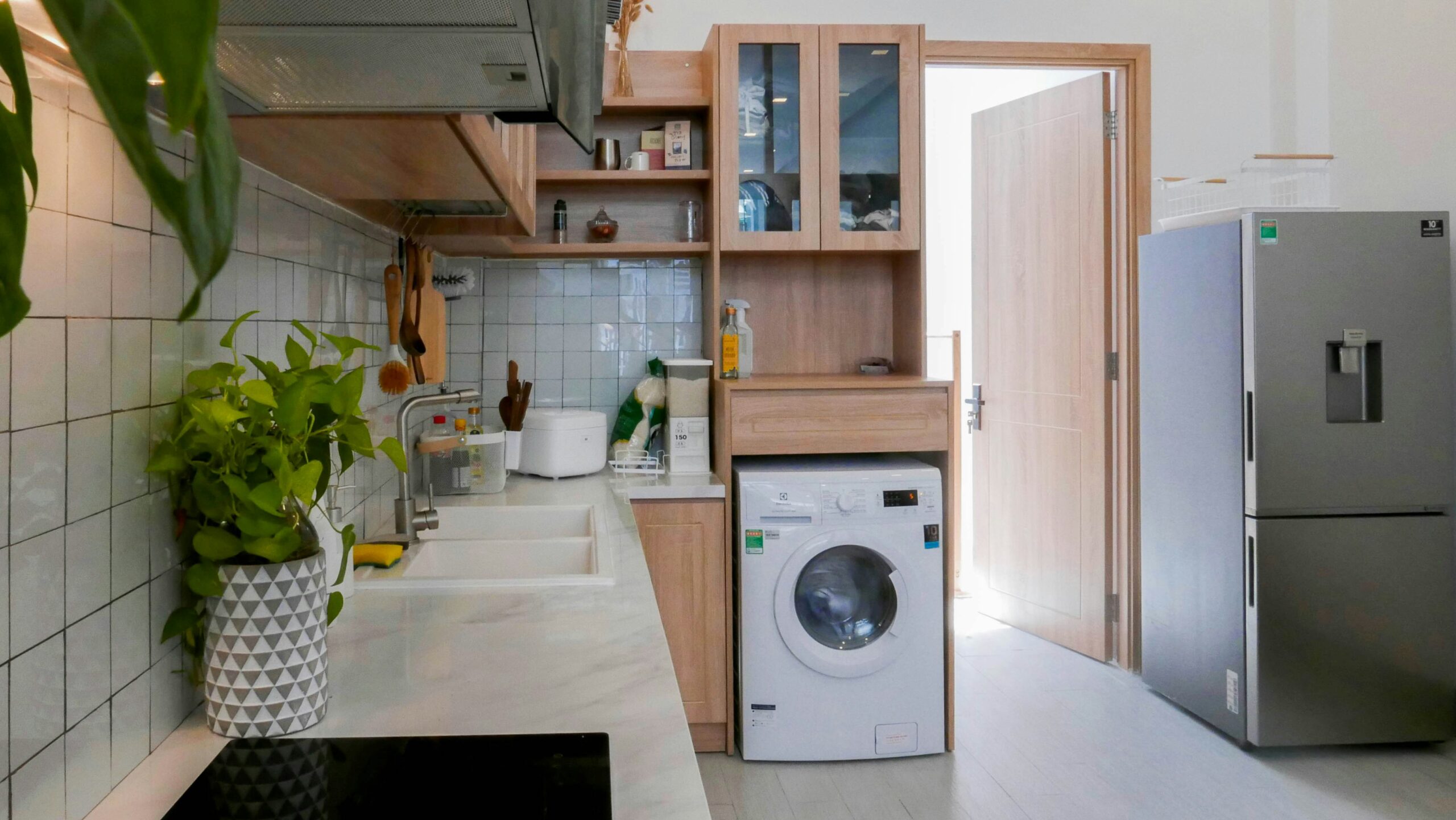
Look for the ENERGY STAR label when shopping. This certification indicates that an appliance meets strict efficiency guidelines set by the EPA. You’ll find it on everything from refrigerators to washing machines.
Although energy-efficient models may have a higher upfront cost, they often lead to significant savings over time. Lower utility bills can quickly offset that initial investment.
Consider smart thermostats and LED lighting as well. Both options reduce consumption without sacrificing comfort or quality of life.
Your choices today can lead to substantial long-term benefits, making your home more sustainable and budget-friendly. It’s not just about saving money; it’s about creating a better future for everyone.
Conclusion
Embracing energy efficiency at home is not just a trend; it’s a smart lifestyle choice. By incorporating modern electronics and appliances, you can significantly reduce your energy consumption while saving money on your utility bills.
These devices are designed with cutting-edge technology that prioritizes conservation without sacrificing performance. Investing in features like programmable settings or ENERGY STAR ratings can make a noticeable difference.
Smart home technology offers convenience and control, allowing you to monitor usage from anywhere. Simple habits combined with advanced gadgets can lead to substantial savings over time.
As we move towards a more sustainable future, being mindful of our electricity use becomes essential. By choosing the right electronics and making small adjustments, anyone can contribute to both their budget’s health and the planet’s well-being.