Introduction to Chanel and its founder, Coco Chanel
Coco Chanel transformed the world of fashion, leaving an indelible mark that continues to influence designers and style enthusiasts alike. Born into modest beginnings, she defied societal norms and revolutionized the way women dress. Her vision brought us elegance wrapped in comfort, changing how we perceive luxury.
Chanel is more than a brand; it’s a lifestyle. From her innovative designs to her bold approach towards femininity, Coco broke free from tradition and paved the way for modern fashion as we know it today. The story of Chanel is not just about clothing—it’s about empowerment, reinvention, and enduring legacy. Join us on this journey through time as we explore how one remarkable woman changed the game forever.
Early years of the brand and its rise to popularity
Chanel began its journey in 1910 when Coco Chanel opened her first hat shop in Paris. The simple elegance of her designs quickly caught the attention of fashionable Parisians. It was a modest start, but it laid the groundwork for something monumental.
By the 1920s, Chanel had expanded beyond hats to clothing and accessories. She introduced innovative ideas that contrasted sharply with the restrictive fashion norms of the time. Her focus on comfort allowed women to embrace a more liberated lifestyle.
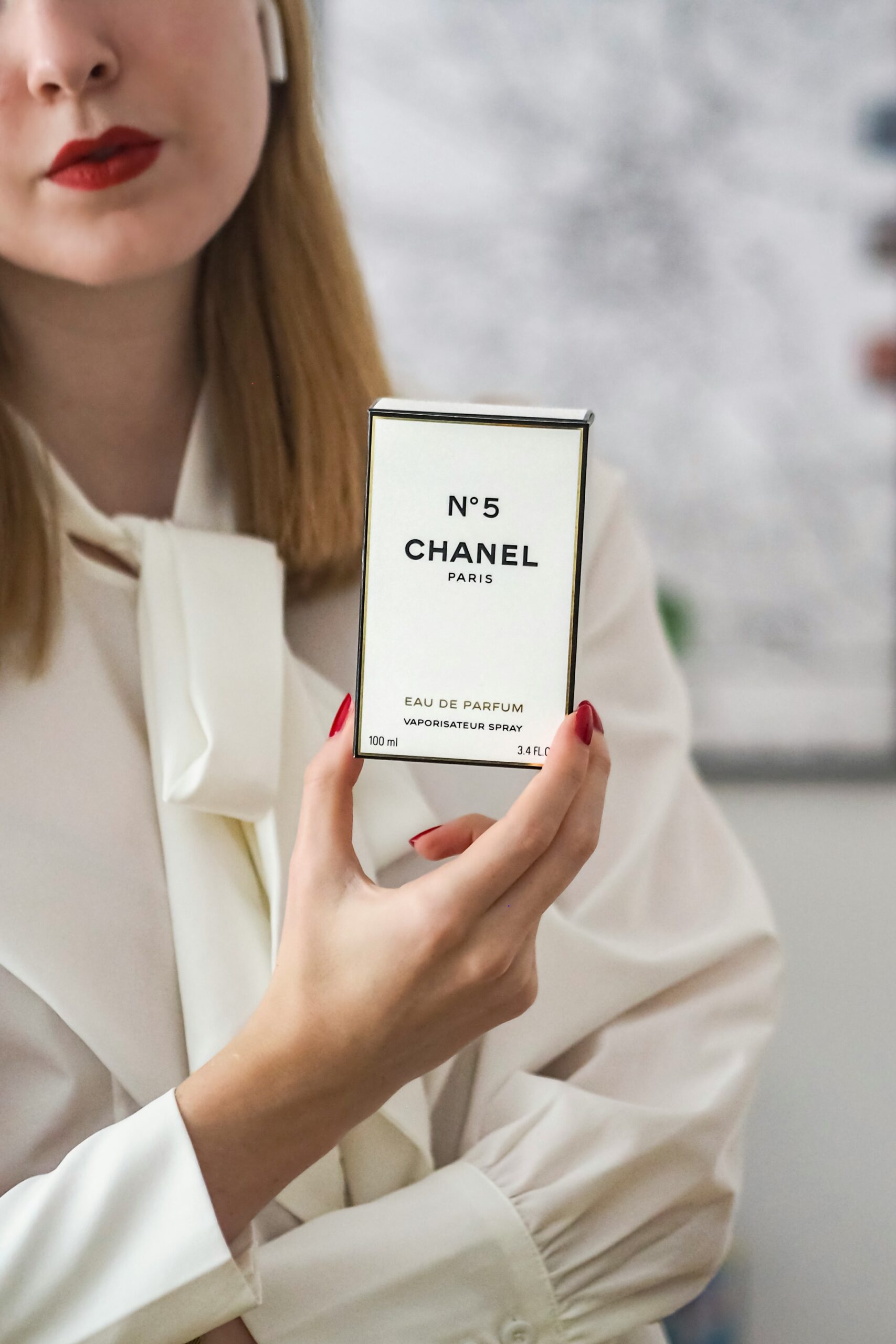
The launch of Chanel No. 5 perfume in 1921 marked another pivotal moment. This fragrance became iconic, further solidifying her brand’s status. As word spread about her unique aesthetic, demand soared.
Coco’s ability to blend simplicity with luxury created an irresistible allure, propelling Chanel into global recognition and forever changing how women viewed fashion.
Chanel’s revolutionary designs and impact on the fashion industry
Coco Chanel’s designs transformed the fashion landscape, introducing a new era of elegance and comfort. Her vision emphasized simplicity over extravagance, challenging the status quo.
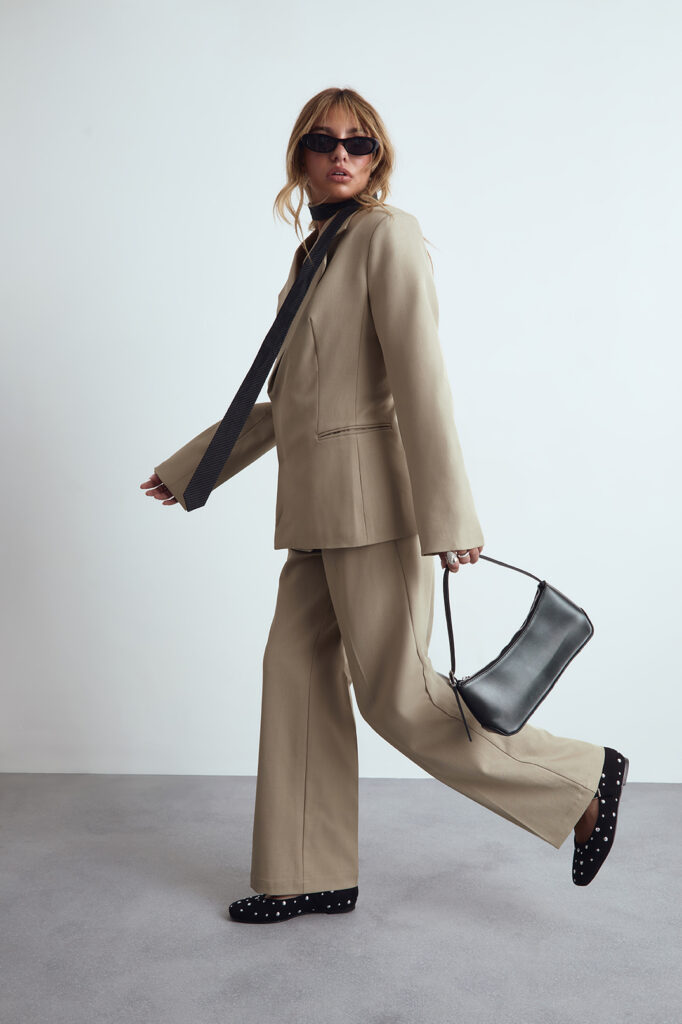
She redefined women’s wear by incorporating elements traditionally reserved for men’s clothing. Tailored suits and relaxed silhouettes liberated women from constricting corsets.
Chanel was also a pioneer in promoting casual chic. She popularized jersey fabric—once considered mundane—for luxury fashion. This shift made stylish attire accessible to everyday women.
The iconic tweed jacket became synonymous with sophistication while offering practicality. It was not just about aesthetics; it reflected a lifestyle change.
Her bold approach inspired countless designers who followed in her footsteps. The impact of her work resonates today, as modern collections continue to draw influence from her revolutionary ideas on structure and form.
The iconic Little Black Dress and other influential pieces
The Little Black Dress (LBD) is a timeless emblem of elegance, thanks to Coco Chanel. Introduced in the 1920s, this versatile creation transformed how women viewed evening wear. It was chic yet accessible—a revolutionary concept.
Chanel understood that simplicity could be powerful. The LBD became a blank canvas for personal expression, allowing women to accessorize and style it according to their tastes. No longer confined by the constraints of elaborate gowns, they embraced freedom in fashion.
Beyond the LBD, Chanel introduced other game-changers like tweed suits and costume jewelry. Each piece broke traditional barriers and redefined femininity.
These designs were not just garments; they were statements. They represented liberation from societal norms while embracing comfort without sacrificing style. Chanel’s influence reshaped wardrobes across generations—an enduring legacy that still resonates today.
Chanel’s use of unconventional materials and styles
Chanel was never one to follow the crowd. Her willingness to experiment with unconventional materials set her apart in a world dominated by tradition. She famously introduced jersey fabric into women’s fashion, a choice initially reserved for men’s underwear. This shift not only revolutionized comfort but also made high fashion more accessible.
Coco’s designs often played with unexpected elements like tweed and metal chains, blurring the lines between elegance and utility. By integrating these materials, she challenged societal norms about femininity and style.
Her bold use of color was equally groundbreaking. Chanel broke free from the typical pastel palettes of her time, opting instead for vibrant hues that spoke volumes about freedom and modernity.
Through every innovative piece, she communicated a new vision—one that celebrated individuality over conformity. The result? A legacy of creativity that continues to inspire designers today.
The brand’s influence on society and culture
Chanel’s influence transcends fashion; it shaped societal norms and cultural attitudes. Coco Chanel liberated women from the constraints of corsetry, promoting comfort without sacrificing elegance. This shift not only changed how women dressed but also how they perceived themselves.
The brand’s designs challenged traditional gender roles. The introduction of menswear-inspired pieces urged women to embrace independence and power in their attire.
Chanel’s fragrance, No. 5, became a symbol of modern femininity. Its popularity elevated perfume as an essential accessory for self-expression rather than just luxury.
Artistic collaborations further solidified its cultural footprint, bridging fashion with other creative spheres like film and visual arts. From Hollywood starlets to influential artists, Chanel created a tapestry that intertwined style with identity.
Even today, the brand continues to inspire movements around gender equality and female empowerment through innovative campaigns that resonate globally.
Legacy of Coco Chanel and continued success of the brand
Coco Chanel’s legacy transcends her time. She redefined femininity, showcasing strength and independence through fashion. Her vision created a new era where women could embrace comfort without sacrificing style.
The brand continues to thrive today, driven by the principles she instilled. Innovation paired with timeless elegance keeps Chanel at the forefront of luxury fashion. Each collection reflects her spirit and commitment to quality.
Chanel’s design philosophy influences countless designers globally. The iconic interlocking C logo remains synonymous with status and sophistication.
Even as trends evolve, Chanel adapts while staying true to its roots. This balance of tradition and modernity ensures that Coco’s influence endures in every stitch and seam, weaving itself into the fabric of contemporary culture.
Her story inspires future generations seeking authenticity in their self-expression through fashion. The brand stands not just for clothing but for a lifestyle marked by boldness and creativity.
: Why Chanel remains a game-changer in the fashion world
Chanel continues to be a transformative force in fashion, redefining style and elegance with each new collection. The brand’s innovative spirit is rooted in its founder, Coco Chanel, whose vision broke the molds of traditional women’s wear.
Today, Chanel stands as a symbol of luxury and sophistication. Its timeless pieces transcend trends while still feeling fresh and relevant. The Little Black Dress remains an essential staple in wardrobes around the globe—a testament to Coco’s genius in creating garments that marry simplicity with allure.
Moreover, Chanel has embraced change throughout its history. By incorporating unconventional materials like tweed and jersey into high-fashion contexts, it challenged norms and inspired designers worldwide. This daring approach paved the way for future generations to explore beyond boundaries.
The brand also reflects societal shifts through its designs. It played a crucial role during women’s liberation movements by promoting comfort over constraint—allowing women to embrace their identity fully without sacrificing style.
As we look ahead, Chanel maintains its iconic status not just because of its heritage but also due to its ability to adapt while staying true to core principles established by Coco herself: empowerment through fashion and unyielding innovation. Whether it’s haute couture or ready-to-wear lines, Chanel will always hold a vital place at the forefront of fashion evolution.