
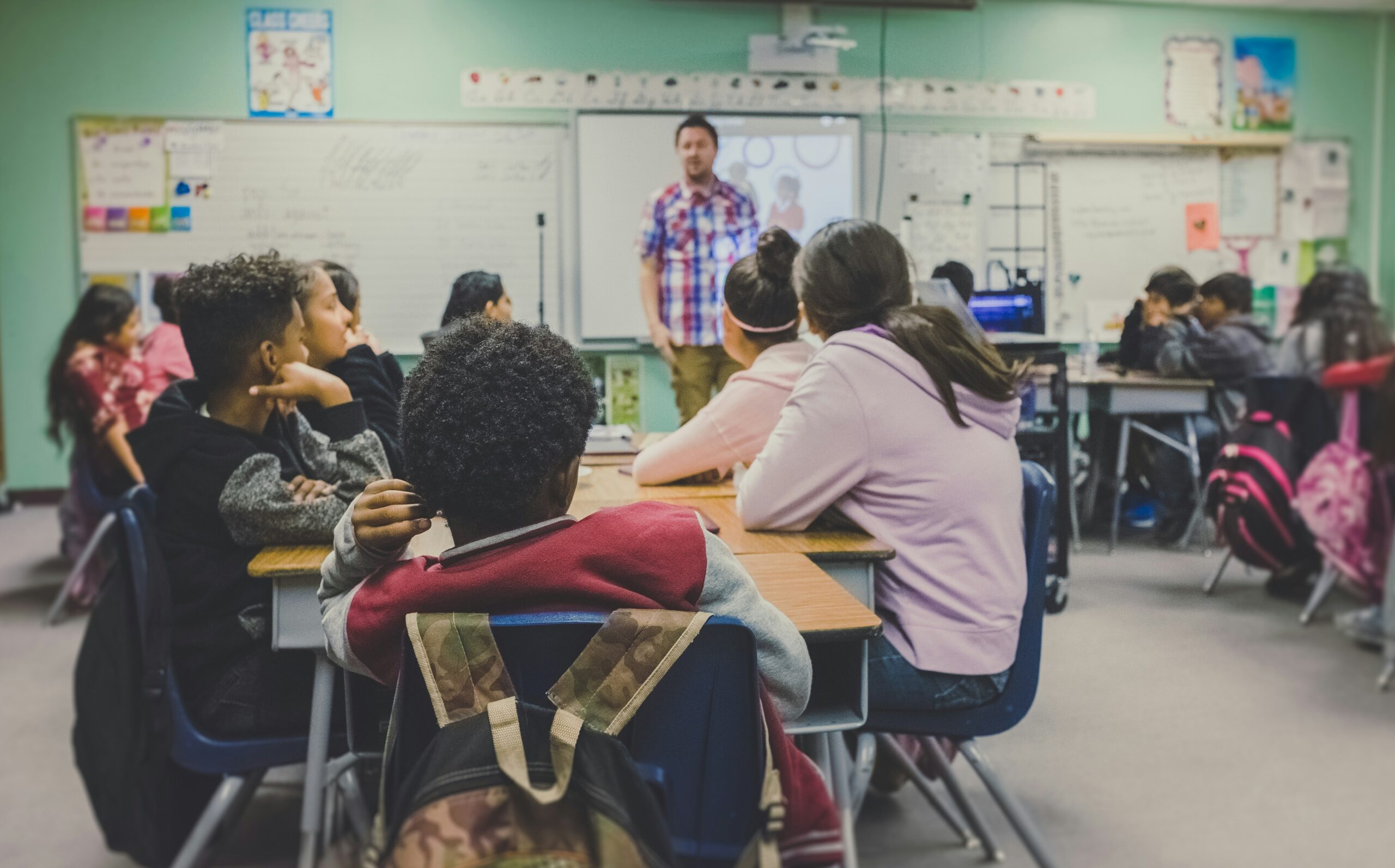
Education is evolving, and the traditional classroom model is no longer the only game in town. As we move further into the 21st century, students are seeking deeper connections with their learning experiences. Enter experiential learning—a dynamic approach that goes beyond textbooks and lectures to immerse learners in real-world scenarios.
Imagine a classroom where students engage with their community, solve real problems, and reflect on their experiences to gain insights that stick. This hands-on method not only makes education more engaging but also prepares students for the complexities of life outside school walls. Let’s explore how experiential learning transforms education and cultivates skills essential for success in an ever-changing world.
Defining Experiential Learning
Experiential learning is a process through which students gain knowledge by engaging directly in experiences. This approach emphasizes active participation, allowing learners to draw connections between theory and practice.
At its core, experiential learning encourages reflection on one’s actions and outcomes. It’s not just about doing; it’s about understanding the “why” behind those actions.
This method often involves hands-on projects, internships, field trips, or community service. Students become agents of their own education by applying concepts in real-world contexts.
The philosophy traces back to educational theorists like John Dewey and David Kolb. They championed the idea that experience is fundamental to human development and growth.
In essence, experiential learning shifts the focus from passive absorption of information to active engagement with it. It fosters critical thinking skills while making education more relevant and impactful for today’s learners.
The Benefits of Experiential Learning
Experiential learning reshapes how students engage with knowledge. It transforms theory into practice, allowing learners to apply concepts in real-world situations.
This approach fosters critical thinking and problem-solving skills. When faced with challenges, students learn to adapt and innovate on the spot. They develop resilience that traditional methods often overlook.
Collaboration is another key benefit. Team projects encourage communication and teamwork, preparing students for future workplaces where collaboration is essential.
Additionally, experiential learning enhances retention. Students remember lessons better when they’ve lived them rather than just read about them in textbooks.
Emotional engagement plays a significant role too. Activities that resonate personally create lasting impressions and inspire a lifelong love for learning.
Examples of Experiential Learning in Practice
Experiential learning thrives in diverse environments. One vibrant example is the use of outdoor classrooms. Nature becomes a living laboratory where students explore ecosystems firsthand, fostering curiosity and respect for the environment.
Internships are another powerful method. They bridge academic knowledge with real-world experience. Students gain insights into their chosen industries, developing skills that textbooks alone cannot provide.
Service-learning projects also stand out. By engaging with local communities, learners tackle social issues while enhancing empathy and critical thinking abilities. This hands-on approach turns theoretical concepts into actionable understanding.
Additionally, simulations offer immersive experiences in fields like medicine or business. Role-playing scenarios allow participants to navigate complex situations safely and effectively.
These examples showcase how experiential learning creates memorable educational moments that resonate long after the classroom bell rings.
Challenges and Criticisms of Experiential Learning
Experiential learning isn’t without its hurdles. Critics often point to the inconsistency in quality and structure. Without a solid framework, some programs may lack direction.
Another concern is the assessment of learning outcomes. Traditional testing methods can fall short when evaluating skills gained through hands-on experiences. Measuring growth becomes complex.
Resources also pose a challenge. Not every school has access to facilities or materials needed for effective experiential learning. This can create disparities across different regions.
Additionally, trainers must be well-equipped to guide students effectively through these immersive experiences. A lack of proper training can lead to missed opportunities for meaningful engagement.
There’s resistance from those who prefer conventional teaching methods. Shifting mindsets takes time and commitment, which can slow down progress in adopting new educational approaches.
Implementing Experiential Learning in Schools
Implementing experiential learning in schools requires a shift in mindset. Educators need to embrace hands-on activities that connect students with real-world scenarios.
Start by integrating community projects into the curriculum. This approach fosters teamwork and enhances problem-solving skills. Students learn more when they engage directly with their environment.
Professional development for teachers is crucial too. Workshops can equip them with tools to facilitate active learning experiences effectively. Collaboration among educators can spark innovative ideas.
Curriculum flexibility plays a vital role as well. Schools should allow room for exploration beyond textbooks, encouraging creativity and critical thinking.
Additionally, partnerships with local organizations enrich the learning experience. These collaborations provide students access to resources and mentorship opportunities that enhance their understanding of various fields.
Incorporating technology also offers exciting possibilities for experiential learning, making lessons interactive and engaging while preparing students for future challenges.
Real-Life Success Stories
Across the globe, countless students have experienced transformation through experiential learning. One inspiring example comes from a high school in California. Students engaged in a project-based curriculum that connected classroom lessons with real-world challenges. They partnered with local non-profits to address community needs.
In another instance, an elementary school in New York incorporated outdoor learning into their science curriculum. Children explored ecosystems firsthand while studying plants and animals in nearby parks.
Universities are also seeing remarkable outcomes. A business program adopted internships as core components of their degrees. Graduates reported higher job placement rates and increased confidence entering the workforce.
These stories highlight the power of hands-on experiences. The connections made between theory and practice inspire creativity and critical thinking among learners at all levels. Each success reinforces the importance of stepping beyond traditional educational boundaries for impactful growth.
The Future of Education: Embracing Experiential Learning
The landscape of education is evolving rapidly. Traditional methods are giving way to innovative approaches that prioritize real-world experiences. Experiential learning stands at the forefront of this transformation, offering students hands-on opportunities that enhance engagement and understanding.
As technology advances, so do the possibilities for experiential learning. Virtual reality field trips, interactive simulations, and collaborative projects can break down geographical barriers and provide access to diverse experiences. This shift allows learners to connect with people from different cultures and backgrounds.
Schools are beginning to recognize the need for a curriculum rooted in practical application rather than rote memorization. By fostering critical thinking, creativity, and problem-solving skills through experiential learning, educators prepare students for challenges beyond classroom walls.
Moreover, as employers increasingly seek adaptable workers equipped with soft skills like communication and teamwork, educational institutions must respond accordingly. Embracing experiential learning not only enriches student experiences but also aligns education with real-world demands.
Incorporating these dynamic techniques creates an environment where curiosity thrives while nurturing a lifelong love for learning. As we move forward into this new era of education, embracing experiential learning could redefine how knowledge is imparted—and received—ensuring our future generations are well-prepared for what lies ahead.