Introduction to Zara and its success in the fashion industry
Zara has become a household name in the fashion world, captivating millions with its stylish offerings and trendy designs. But what is it about this Spanish brand that sets it apart from its competitors? Born in 1974 in the small coastal town of Arteijo, Zara has transformed from a local boutique into an international powerhouse. Its journey is nothing short of fascinating.
With each passing season, consumers eagerly await new collections while the brand continues to redefine fast fashion. It’s not just about clothes; it’s about creating a lifestyle that resonates across cultures and demographics. Join us as we unravel the threads of Zara’s success story, exploring how this fashion giant has woven itself into the fabric of global retail and what lies ahead for them on this exciting runway of innovation and style.
The History of Zara: From humble beginnings to global domination
Zara’s journey began in 1974. A small store opened its doors in Arteijo, Spain. Founded by Amancio Ortega and Rosalía Mera, it started as a local venture selling affordable fashion.
Initially, the shop focused on stylish yet inexpensive clothing. Customers quickly took notice of the trendy designs at accessible prices. This formula proved successful and allowed Zara to expand gradually.
By the 1980s, Zara had already opened several stores across Spain. The brand’s unique approach caught attention beyond national borders. Soon enough, international expansion became inevitable.
In 1998, Zara made its first foray into the United States market with a flagship store in New York City. This move solidified its status as a global player in fashion retail.
Today, Zara boasts thousands of locations worldwide and is synonymous with fast fashion while maintaining an unwavering commitment to quality design and customer satisfaction.
Understanding Zara’s Fast Fashion Model
Zara’s fast fashion model revolutionizes the way consumers shop. The brand thrives on speed and adaptability, allowing it to respond swiftly to changing fashion trends. Unlike traditional retailers that plan collections months in advance, Zara can design, produce, and deliver new styles within weeks.
At the heart of this model is a highly efficient supply chain. Every aspect is streamlined—from design teams working closely with production facilities to real-time inventory management. This synergy enables Zara to keep its offerings fresh and relevant.
Moreover, customer feedback plays a pivotal role in shaping future collections. Store managers relay insights from shoppers directly back to headquarters. This aligns production with actual demand rather than forecasts.
Zara’s ability to introduce new items frequently fosters urgency among shoppers. They know that today’s favorite piece might be gone tomorrow—a clever strategy that keeps customers coming back for more.
Unique Business Strategies of Zara
Zara’s edge lies in its unique business strategies that set it apart from traditional retailers. The brand thrives on a model of agility and responsiveness. Rather than relying solely on extensive market research, Zara focuses on real-time feedback from customers.
Its design team works closely with store managers to capture trends directly from shoppers. This collaboration allows for rapid adjustments to collections based on what consumers want at any given moment.
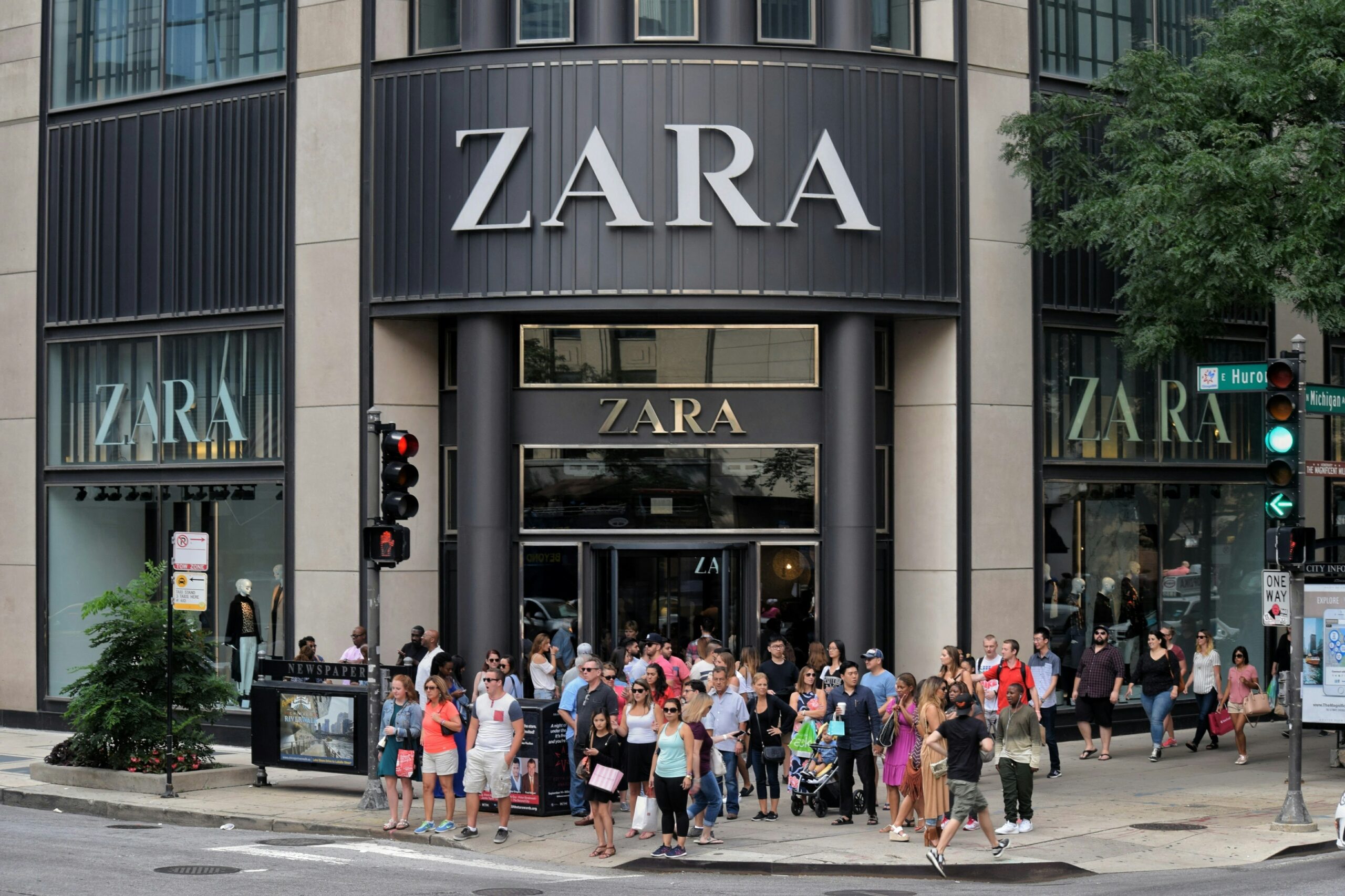
Unlike competitors, Zara limits advertising spending. Instead, it invests in prime retail locations and creates visually stunning storefronts that draw customers in naturally.
Moreover, the supply chain is streamlined for efficiency. New designs can move from concept to store shelves within weeks—a stark contrast to the industry norm of several months.
This quick turnaround ensures that Zara remains relevant and trendy, appealing to fashion-forward individuals who crave fresh styles regularly.
The Impact of Technology on Zara’s Success
Technology has been a game changer for Zara. The brand harnesses the power of data analytics to understand customer preferences in real-time. This insight allows them to tweak designs and inventory swiftly.
Zara also excels in supply chain technology. Their logistics are finely tuned, enabling rapid turnaround from design to store shelves. By utilizing sophisticated software systems, they can monitor stock levels and demand trends effectively.
The use of RFID technology is another cornerstone of Zara’s success. Each item gets tagged, allowing precise tracking throughout the supply chain. This innovation minimizes losses while ensuring customers find what they want when they visit stores.
Furthermore, an emphasis on e-commerce platforms has broadened their reach immensely. Shoppers enjoy a seamless online experience that mirrors in-store offerings, enhancing customer loyalty and engagement across various channels.
Challenges Faced by Zara and How They Overcame Them
Zara has faced numerous challenges in its journey to the top of the fashion industry. One significant hurdle was managing its rapid growth without compromising quality or customer experience. As demand surged, maintaining a streamlined supply chain became critical.
Another obstacle was increasing competition from both established brands and new entrants in the fast fashion arena. To tackle this, Zara focused on innovation and differentiation, continually refining its designs and product offerings.
Sustainability concerns also posed a challenge as consumers grew more environmentally conscious. In response, Zara committed to sustainable practices by using eco-friendly materials and reducing waste throughout production.
Additionally, adapting to changing consumer preferences required agility. By leveraging real-time sales data and feedback, Zara swiftly adjusted collections based on what customers wanted most at any given moment. This adaptability helped them stay relevant amid shifting trends while maintaining their core appeal.
Future Plans for Zara and Predictions for the Fashion Industry
Zara is poised for an exciting future as it continues to innovate within the fast fashion landscape. With sustainability becoming a priority, Zara aims to integrate eco-friendly materials into its collections. This shift resonates with conscious consumers seeking responsible shopping options.
The brand plans to enhance its digital presence. Investing in AI and data analytics will allow Zara to predict trends more accurately and optimize inventory management. Personalized shopping experiences could soon become the norm for its online customers.
Additionally, expanding into emerging markets presents significant opportunities. Countries in Asia and Africa show growing demand for accessible fashion, making them prime targets for Zara’s expansion strategies.
As competition intensifies globally, agility remains key. By staying ahead of market shifts and consumer preferences, Zara can continue setting trends rather than just following them. The fashion industry’s evolution will undoubtedly be influenced by brands like Zara leading the charge toward innovation and sustainability.
: Lessons Learned from Zara’s Success Story
Zara’s remarkable journey offers valuable insights for anyone looking to make their mark in the fashion industry or any sector relying on fast-paced consumer behavior. One key lesson is the power of agility. Zara has mastered the ability to adapt quickly to changing trends, allowing them to stay ahead of competitors. This responsiveness is not merely a business tactic; it embodies a mindset that values flexibility and innovation.
Another takeaway is the importance of customer feedback. Zara places great emphasis on listening to its customers, ensuring their designs resonate with what shoppers truly want. Utilizing this feedback loop helps create collections that are not just stylish but also relevant and timely.
Sustainability also plays an increasingly vital role in today’s market dynamics. While Zara has faced challenges regarding ethical practices, they are actively working towards more sustainable solutions within their operations—highlighting how crucial it is for brands to evolve alongside consumer expectations.
Investing in technology cannot be overlooked. From supply chain management to online shopping experiences, tech integration drives efficiency and enhances customer engagement.
These lessons from Zara’s success story reveal that adaptability, customer focus, sustainability efforts, and technological investment can create a formidable foundation for long-term growth in any industry context.