
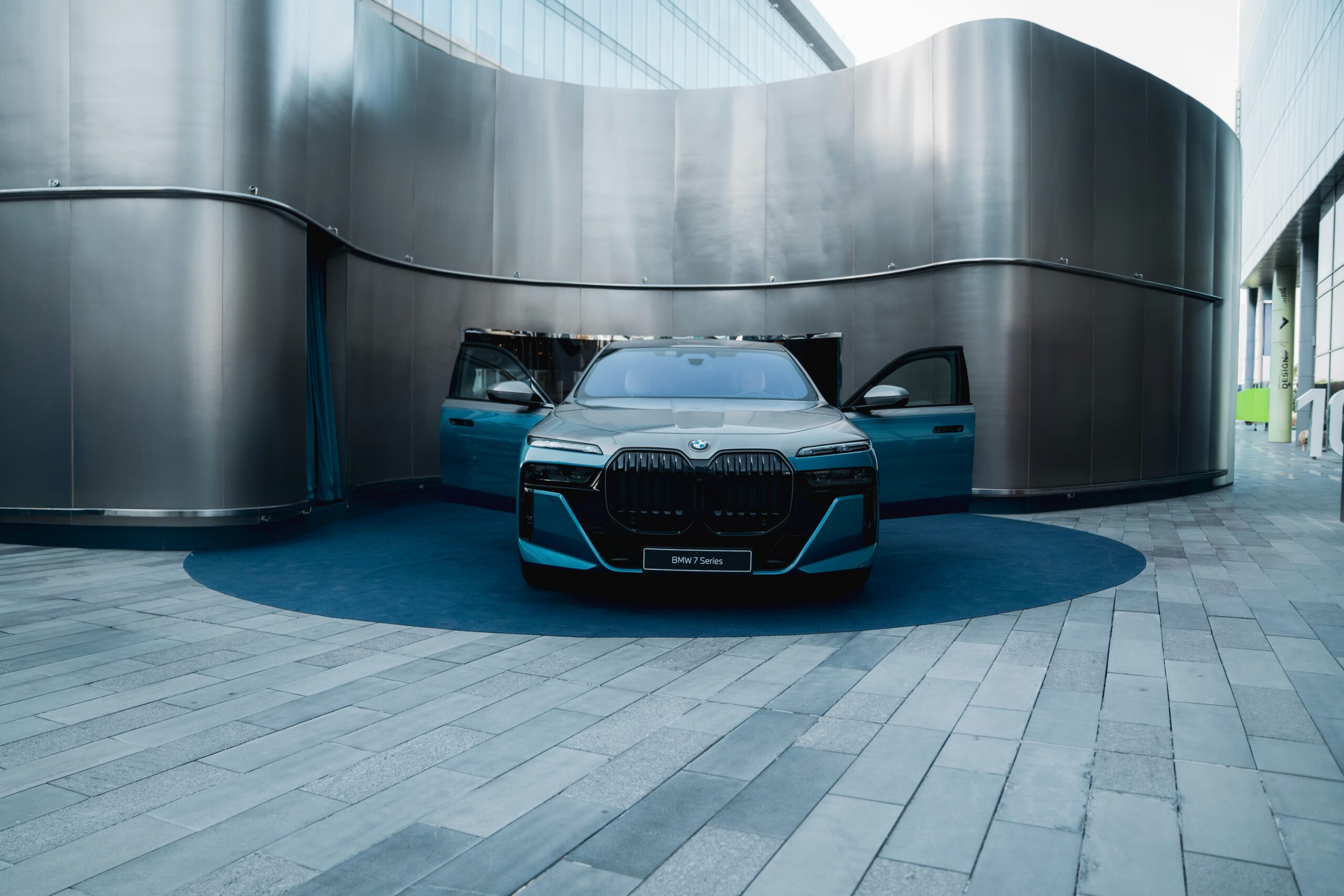
Introduction to Automotive Technology
The automotive world is changing faster than ever. From sleek electric vehicles to groundbreaking self-driving technology, innovation drives the industry forward. As our lives become more intertwined with technology, cars are evolving into smart companions that enhance safety and efficiency on the road.
This transformation isn’t just about shiny new features; it’s a fundamental shift in how we think about transportation. New advancements promise not only to improve our driving experience but also to address critical issues like sustainability and safety.
Curious about what’s shaping the future of automotive technology? Buckle up as we explore the top 10 innovations you need to know about!
Autonomous Vehicles and Self-Driving Cars
Autonomous vehicles are revolutionizing the driving experience. Imagine a world where you can relax during your commute, letting technology take the wheel. Self-driving cars promise to make this a reality.
These vehicles use advanced sensors and cameras to navigate roads with minimal human input. They rely on sophisticated algorithms that analyze real-time data, ensuring safety and efficiency.
Many companies are investing heavily in this technology, from traditional automakers to tech giants. The goal is not just convenience but also reducing traffic accidents caused by human error.
As regulations evolve and public acceptance grows, we might see autonomous cars becoming commonplace sooner than expected. This shift could transform urban planning and commuting patterns significantly.
The road ahead for self-driving cars is full of potential challenges and innovations alike. It’s an exciting time for anyone interested in automotive advancements.
Electric Vehicles and the Rise of EV Charging Stations
Electric vehicles (EVs) are transforming the automotive landscape. With growing concerns over climate change, more drivers are opting for cleaner alternatives. This shift has led to a surge in EV adoption.
As demand increases, so does the need for accessible charging infrastructure. Cities and businesses are responding by installing charging stations at strategic locations. You can now find them in shopping centers, parking lots, and even along highways.
Fast chargers have become game-changers, allowing EV owners to recharge their vehicles in minutes rather than hours. The convenience of rapid charging is crucial for long-distance travel and everyday use.
Innovative companies are also exploring wireless charging technology. Imagine pulling into your garage or a designated area and simply letting your vehicle charge without plugging it in.
The rise of smart charging solutions further enhances the experience, enabling users to monitor energy consumption through mobile apps while optimizing costs based on time-of-use rates.
Advanced Driver Assistance Systems (ADAS)
Advanced Driver Assistance Systems, commonly known as ADAS, are revolutionizing the driving experience. These systems enhance vehicle safety and improve overall road awareness.
Technologies like lane departure warnings and adaptive cruise control guide drivers in maintaining safe distances. They act as an extra set of eyes on the road. Some models even feature automatic emergency braking to prevent accidents before they happen.
Moreover, parking assistance systems take away the stress of parallel parking. By using sensors and cameras, they can maneuver your car into tight spaces with precision.
ADAS also contributes to reduced insurance costs over time due to fewer accidents. As these features become standard in more vehicles, they promise a safer future for all motorists.
With ongoing advancements in sensor technology, we can expect even more intelligent capabilities soon. The integration of machine learning could lead to systems that adapt uniquely to each driver’s habits and preferences.
Augmented Reality in Cars
Augmented Reality (AR) is revolutionizing the in-car experience. Imagine navigating through city streets and receiving real-time directions projected right onto your windshield. This technology turns mundane driving into an interactive adventure.
With AR, drivers can visualize critical information without taking their eyes off the road. Speed limits, hazard alerts, and navigation cues appear seamlessly integrated into their view.
Some manufacturers are even exploring how AR can enhance safety features by highlighting pedestrians or obstacles ahead of time. It’s like having a co-pilot who knows everything about your surroundings.
The potential for entertainment also excites tech enthusiasts. Passengers could enjoy immersive experiences that blend gaming with travel, making long journeys more enjoyable.
As AR continues to evolve, it promises to change not just how we drive but also our overall relationship with vehicles and transportation. The future looks bright for this innovative technology on wheels.
Biometric Vehicle Access
Biometric vehicle access is revolutionizing how we interact with our cars. Instead of traditional keys or fobs, vehicles are now equipped with advanced sensors that recognize unique biological traits.
Fingerprint scanners and facial recognition technology offer a seamless entry experience. Just imagine approaching your car and it unlocking as soon as you’re within range. This technology enhances security, making it harder for unauthorized users to gain access.
Moreover, biometric systems can be customized for multiple drivers. Each user’s settings—like seat position and climate control—can automatically adjust when their identity is recognized.
As this innovation evolves, the potential applications grow even broader. It could pave the way for personalized driving experiences tailored specifically to individual preferences and behaviors in real-time.
Connected Car Technology
Connected car technology is transforming the way we interact with our vehicles. Imagine driving a car that communicates with your smartphone, traffic lights, and even nearby vehicles. This level of connectivity enhances safety and convenience.
Through advanced sensors and communication systems, connected cars can provide real-time updates on road conditions. They alert drivers to potential hazards or suggest alternate routes based on traffic data.
Moreover, these vehicles allow for seamless integration with smart home devices. You can remotely start your engine or pre-condition your cabin temperature from the comfort of your living room.
Another fascinating aspect is vehicle-to-everything (V2X) communication. Cars can exchange information not just with each other but also with infrastructure like parking meters and public transport systems, creating a more efficient urban environment.
The future looks bright as automakers continue to innovate in this space, pushing towards smarter cities and enhanced mobility experiences for everyone.
Artificial Intelligence in Automotive Manufacturing
Artificial intelligence is transforming automotive manufacturing in remarkable ways. Factories are becoming smarter, making production more efficient and less prone to error.
AI algorithms analyze vast amounts of data for optimizing supply chains. This ensures that materials arrive just in time, reducing waste and costs. Robotics powered by AI work alongside human workers, enhancing precision during assembly.
Predictive maintenance is another game-changer. Sensors embedded in machinery can anticipate failures before they happen, minimizing downtime and boosting productivity.
Quality control has also seen a major upgrade with AI-assisted vision systems. These systems inspect components at lightning speed, catching defects that the human eye might miss.
As automakers embrace these technologies, they’re not only improving their processes but also paving the way for innovative vehicle designs that cater to modern consumer demands.
Sustainable Materials for Cars
Sustainable materials are reshaping the automotive industry. Manufacturers are exploring alternatives to traditional components, making vehicles lighter and more eco-friendly.
Recycled plastics, for example, have made their way into car interiors. These materials not only reduce waste but also offer durability and aesthetic appeal.
Natural fibers like hemp and bamboo are gaining popularity too. They provide strength while being biodegradable, which helps lessen the environmental impact of vehicle production.
Bio-based foams derived from soy or other organic sources are replacing petroleum-based options in seats and cushions. This shift supports a circular economy by reducing reliance on fossil fuels.
Even paint technology is evolving with water-based solutions that minimize harmful emissions during production. Each step forward reflects a growing commitment to sustainability in the automotive sector.
As these innovations continue to develop, they pave the way for greener driving experiences without sacrificing performance or style.
The Future of Automotive Technology
The automotive industry is on the brink of a remarkable transformation. As technology continues to evolve, we can expect even more groundbreaking innovations that will redefine how we think about transportation.
Autonomous vehicles promise safer roads and reduced traffic congestion. The integration of artificial intelligence in manufacturing processes will enhance efficiency and productivity. Electric vehicles are set to dominate the market as battery technologies improve, making them more accessible to consumers.
Sustainability is becoming a focal point for manufacturers, leading to eco-friendly materials that not only reduce environmental impact but also appeal to an increasingly conscious consumer base. Connected car technology ensures seamless communication between vehicles and infrastructure, paving the way for smart cities.
As augmented reality becomes commonplace in vehicle displays, drivers will receive critical information without taking their eyes off the road. Biometric access systems offer enhanced security features that personalize each driving experience based on individual preferences.
These advancements reveal a future where cars are smarter, greener, and more connected than ever before. Enthusiasts can look forward to witnessing these exciting developments unfold over the next decade. The journey ahead promises endless possibilities for innovation in automotive technology.