Introduction to VPNs
In today’s digital landscape, the importance of online privacy and security cannot be overstated. With cyber threats lurking around every corner, protecting your personal information has become a necessity rather than an option. Enter the VPN—a powerful tool designed to keep your internet activity safe from prying eyes. Whether you’re streaming your favorite show, shopping online, or simply browsing social media, using a VPN can significantly enhance your online experience while safeguarding sensitive data. Let’s dive into the world of Virtual Private Networks and discover how they work and why you should consider integrating one into your daily routine.
What is a VPN and How Does it Work?
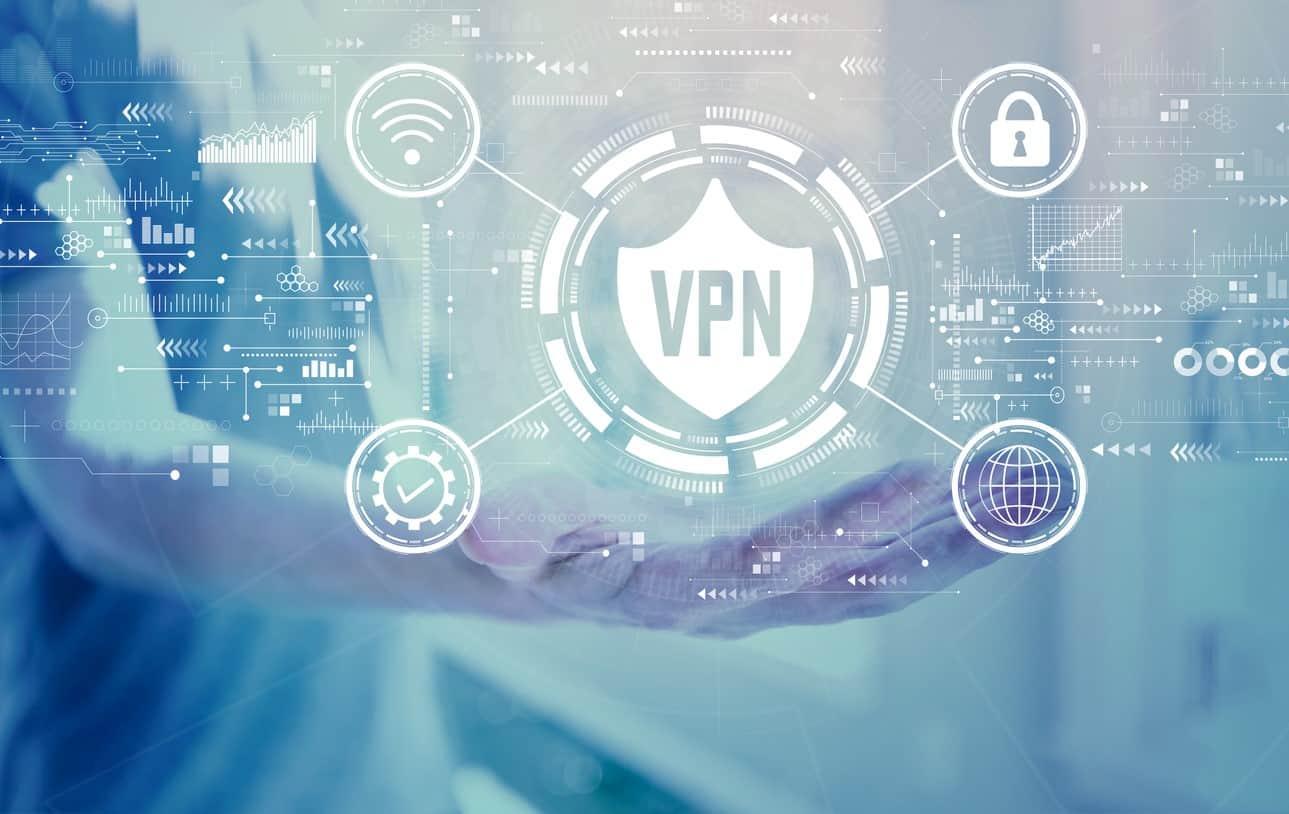
A VPN, or Virtual Private Network, acts like a secure tunnel for your internet traffic. It connects your device to a remote server operated by the VPN provider. This connection encrypts your data, making it nearly impossible for outsiders to intercept.
When you browse online with a VPN, your IP address is masked. Instead of revealing your actual location, websites see the IP address of the VPN server. This adds an extra layer of anonymity.
The encryption process transforms readable data into unreadable code. So even if someone tries to access that information during transmission, they won’t make sense of it without the proper decryption key.
VPNs also help bypass geographical restrictions on content. You can access websites and streaming services as if you were in another country by connecting to a server located there.
This technology enhances both security and privacy while navigating the digital world.
Benefits of Using a VPN
Using a VPN enhances your online privacy significantly. By encrypting your internet traffic, it shields your data from prying eyes, including hackers and ISPs. This is especially crucial when you’re connected to public Wi-Fi networks.
Accessing geo-restricted content becomes effortless with a VPN. You can stream shows and movies that may be unavailable in your region by simply connecting to a server in another country.
A VPN also allows for safer torrenting. It masks your IP address while downloading files, ensuring anonymity and reducing the risk of legal repercussions.
Moreover, many users appreciate how a VPN can help bypass censorship. In countries where certain websites are blocked or monitored, using a VPN enables free access to information without fear of government scrutiny.
Some businesses utilize VPNs to secure remote work environments. Employees can connect safely to company servers while working from anywhere in the world.
Different Types of VPN Protocols
VPN protocols play a crucial role in how your data is transmitted online. They determine the level of security, speed, and reliability you will experience with your VPN service.
One common protocol is OpenVPN. It’s open-source and highly flexible, offering strong encryption standards. Many users prefer it for its balance between performance and security.
Another popular choice is L2TP/IPsec. This combination provides good security but can sometimes lead to slower speeds due to double encapsulation.
For those seeking faster connections, PPTP might be an option. While it’s speedy, its encryption isn’t as robust as others—making it less secure for sensitive tasks.
IKEv2/IPsec is known for its stability and ability to reconnect quickly after losing a connection. It’s especially useful for mobile users who switch networks frequently.
Choosing the right protocol depends on your specific needs regarding speed, security, and ease of use.
Choosing the Right VPN for Your Needs
Choosing the right VPN can feel overwhelming with so many options available. Start by considering what you need most from a VPN service.
If privacy is your main concern, look for a provider that prioritizes strong encryption and has a strict no-logs policy. This ensures your online activities remain confidential.
For streaming purposes, it’s essential to select a VPN known for bypassing geo-restrictions on platforms like Netflix or Hulu. Check user reviews to see how well it performs in this area.
Speed matters too. A slower connection can ruin your experience, especially if you plan to game or stream videos. Look for services that offer high-speed servers.
Consider compatibility across devices. Make sure the VPN works seamlessly on all the gadgets you use regularly—whether it’s smartphones, tablets, or desktop computers. Your choice should fit effortlessly into your digital lifestyle.
Setting up a VPN on Different Devices
Setting up a VPN on your devices is more straightforward than you might think. Whether you’re using a smartphone, tablet, or computer, the process usually involves similar steps.
For mobile devices like Android and iOS, start by downloading a trusted VPN app from the respective app store. Once installed, open the app and log in with your credentials. Most apps have user-friendly interfaces that guide you through connecting to a server of your choice.
On desktop systems such as Windows or macOS, visit the official website of your chosen VPN provider. Download their software and follow the installation prompts. After that, just enter your login details to connect securely.
Don’t forget about routers! Configuring a VPN at this level protects all connected devices within your home network. Each router has unique settings but typically requires access via its IP address in a web browser for setup adjustments.
Top 5 VPN Providers in the Market
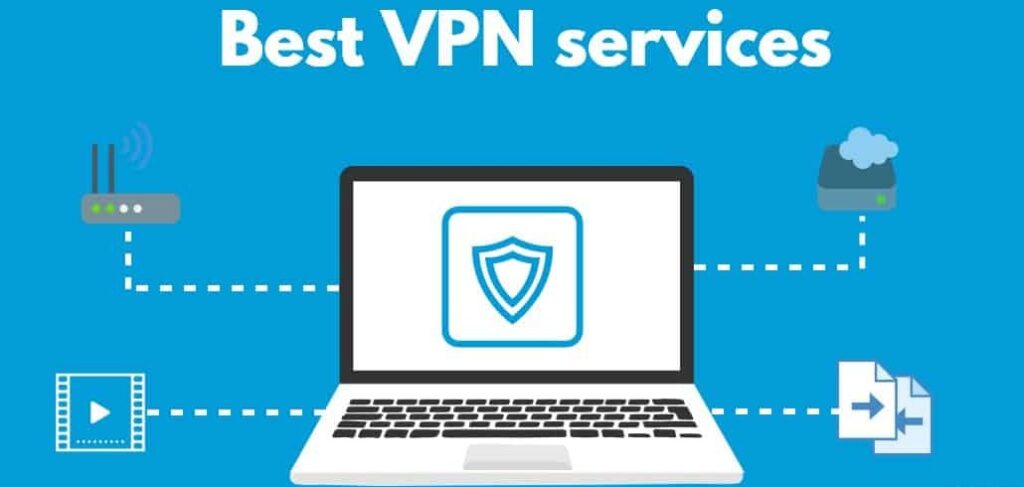
When searching for the best VPN providers, a few names consistently rise to the top. These services prioritize security and user experience.
ExpressVPN is often praised for its lightning-fast speeds and robust encryption standards. It’s perfect for streaming your favorite shows without buffering.
NordVPN stands out with an extensive server network and strong privacy features. Its double encryption option adds an extra layer of protection.
Surfshark offers incredible value with unlimited device connections. It’s ideal if you want to protect multiple devices simultaneously.
CyberGhost provides a user-friendly interface, making it great for beginners. Plus, its dedicated servers optimize performance based on your needs.
Private Internet Access (PIA) boasts customizable settings that appeal to advanced users seeking fine-tuned control over their online presence. Each provider has unique strengths tailored to different preferences.
Common Concerns and Misconceptions about VPNs
Many people worry that using a VPN will slow down their internet connection. While some reduction in speed can occur, quality VPN services often optimize for performance. The benefits of enhanced privacy and security typically outweigh any minor lag.
Another common misconception is that VPNs provide complete anonymity online. While they do mask your IP address and encrypt data, it’s important to remember that other tracking methods still exist. Your online behavior may still be visible to websites or apps.
Some users believe free VPN options are just as effective as paid ones. However, many free services come with limitations—such as data caps—and sometimes sell user information to advertisers.
There’s the myth that setting up a VPN is complicated. Most reputable providers offer user-friendly applications designed for easy installation across various devices without requiring technical expertise.
Conclusion: Stay Safe and Secure with a Reliable VPN
Using a VPN is an essential step in securing your online activities. With the rise of cyber threats and privacy concerns, having a reliable VPN can make a significant difference. It not only encrypts your internet connection but also masks your IP address, giving you more control over your personal information.
As you navigate through various options available today, consider what best suits your needs. Whether it’s for streaming content securely or accessing restricted websites while traveling, there’s likely a perfect fit out there for you.
Investing time in understanding different protocols and providers will pay off in terms of both security and peace of mind. The right VPN can empower you to browse freely without compromising on safety. So take that crucial step towards protecting yourself online—choose a trustworthy VPN and enjoy the benefits it offers!