Introduction to Smart Home Devices
Imagine walking into your home and having the lights adjust to your preferred brightness, the thermostat set to the perfect temperature, and your favorite playlist filling the room—all without lifting a finger. Welcome to the world of smart home devices. These innovations are transforming our living spaces into efficient, comfortable havens that enhance our daily lives. From voice-activated assistants to automated lighting systems like Philips Hue, technology is making it easier than ever to create a personalized environment tailored just for you.
As we explore this exciting landscape of smart devices, you’ll discover how they streamline everyday tasks and improve comfort levels in ways you never thought possible. Ready to embrace the future? Let’s dive into all things smart home!
Benefits of Smart Home Devices
Smart home devices bring a world of convenience right to your fingertips. Imagine controlling lights, temperature, and appliances with just your voice or smartphone. This technology simplifies everyday tasks, making life more enjoyable.
Energy efficiency is another significant advantage. Smart thermostats and lighting systems can adjust usage based on your habits. Not only does this save you money on utility bills, but it also contributes to a greener planet.
Enhanced security features are vital for peace of mind. With smart cameras and doorbells from brands like Philips, you can monitor your home remotely. Receive alerts when someone approaches your property or even communicate through two-way audio.
Customizable settings allow personalization in every room. Whether it’s dimming the lights for movie night or setting the perfect morning routine, smart devices adapt seamlessly to fit any lifestyle.
Popular Types of Smart Home Devices
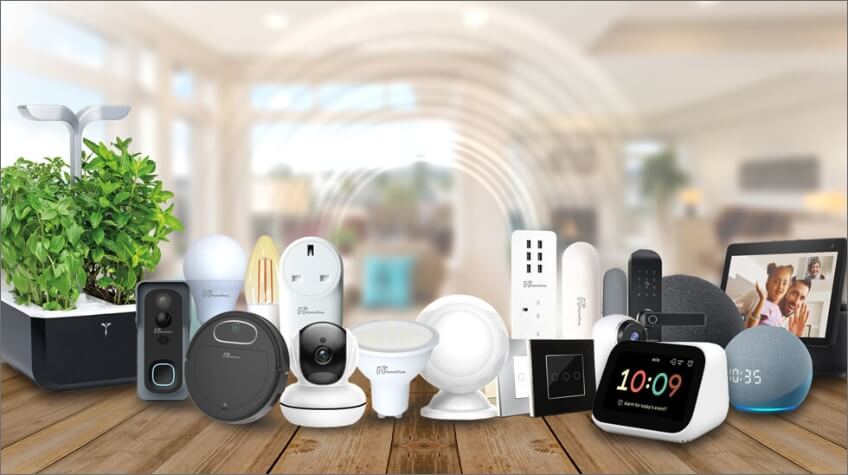
Smart home devices come in various forms, each enhancing our living spaces uniquely. Smart speakers are among the most popular options, allowing voice control for music playback and smart command execution.
Thermostats like the Nest Learning Thermostat adapt to your lifestyle, optimizing energy consumption while ensuring comfort. They’re a great way to save on utility bills.
Smart lighting systems from Philips offer customizable brightness and color settings. This flexibility can create different moods throughout your home.
Security cameras and doorbells provide peace of mind with real-time monitoring capabilities. You can keep an eye on your property from anywhere using a smartphone app.
Smart plugs transform ordinary appliances into controllable devices. With just a simple installation, you can manage power usage conveniently through your phone or voice assistant. Each device contributes to making life easier and more efficient.
How to Choose the Right Smart Home Devices for Your Living Space
Choosing the right smart home devices for your living space can feel overwhelming. Start by identifying your needs. Are you looking to enhance security, convenience, or energy efficiency?
Consider compatibility with existing systems. Philips offers a range of products that integrate seamlessly with popular platforms like Google Home and Amazon Alexa. Ensuring smooth communication between all devices is crucial.
Think about the layout of your home too. Devices should complement your space without cluttering it up. For instance, sleek smart bulbs from Philips can add functionality while enhancing ambiance.
Budget plays a significant role in decision-making. Quality doesn’t always mean high prices; there are plenty of affordable options that deliver excellent performance without breaking the bank. Take time to research user reviews and ratings before making any purchases to ensure satisfaction down the line.
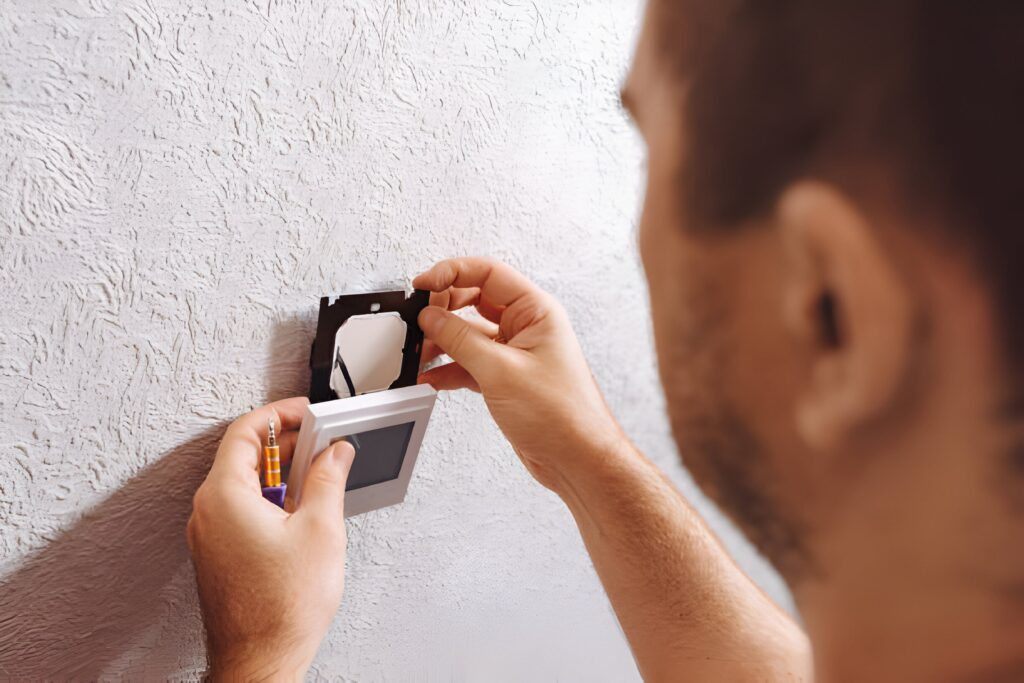
Installation and Setup Process
Installing smart home devices can be a straightforward process, but it varies by product. Most devices come with user-friendly manuals and step-by-step instructions.
Start by unpacking everything carefully. Lay out all components to ensure nothing is missing. This makes the setup smoother.
Next, follow the manufacturer’s guidelines for connecting your device to Wi-Fi or Bluetooth. Many products now feature mobile apps that guide you through this connection seamlessly.
Once connected, personalize settings according to your preferences. For instance, if you’re using Philips smart bulbs, customize brightness levels and color options via their app.
Testing is crucial after setup. Make sure each device responds correctly to commands or routines you’ve established. Troubleshooting steps are usually included in the manual should any issues arise during this phase.
With just a little patience and attention to detail, you’ll have your living space transformed into a fully integrated smart environment before you know it.
Security and Privacy Concerns
Smart home devices bring convenience, but they also raise important security and privacy issues. Many of these devices collect data to enhance user experience. This data can include personal habits, schedules, and even conversations.
Hackers can exploit vulnerabilities in smart technology. Unsecured Wi-Fi networks make it easier for unauthorized users to gain access. Once inside, they could potentially control your devices or steal sensitive information.
Moreover, manufacturers often store user data on their servers. If these companies don’t prioritize robust security measures, this information could be exposed during a breach.
To mitigate risks, it’s crucial to choose reputable brands like Philips that emphasize privacy protection. Regularly updating device firmware is essential as well; updates often contain patches for discovered vulnerabilities.
Being mindful of what you share with your smart home technology is equally important. Knowing the balance between comfort and safety helps create a more secure living environment.

Future of Smartened Up Living Spaces
The future of smartened up living spaces promises to be transformative. As technology advances, home devices will become even more integrated into our daily lives.
Imagine a world where your Philips smart lighting adjusts automatically based on your mood or the time of day. These intelligent systems will create customized environments tailored just for you.
Artificial intelligence will play a pivotal role in optimizing energy consumption and enhancing convenience. Your home could learn your habits, suggesting changes that improve efficiency while reducing costs.
Moreover, seamless interactions between devices will foster an ecosystem where everything communicates flawlessly. The potential for voice-activated assistants to manage multiple tasks simultaneously is boundless.
As we embrace sustainability, eco-friendly options will dominate the market. Expect innovative home devices that not only elevate comfort but also prioritize environmental well-being.
This evolution marks a shift towards homes that enhance quality of life through smart technology—an exciting era awaits us all.
Conclusion
The emergence of smart home devices has undeniably transformed how we interact with our living spaces. As technology continues to evolve, the integration of devices like Philips smart lighting and other innovative gadgets enhances convenience, efficiency, and security in everyday life.
Smart home devices not only streamline daily tasks but also offer energy-saving solutions that contribute to a sustainable lifestyle. The variety available allows homeowners to tailor their environments according to personal preferences and needs.
Choosing the right devices can be an exciting journey filled with possibilities. With thoughtful consideration regarding functionality, compatibility, and installation ease, anyone can create a smarter living space that complements their lifestyle.
As these technologies develop further, anticipating future trends will keep you ahead in maximizing your home’s potential. Embracing this tech-savvy approach may just lead you into a new realm of comfort and control within your own four walls.